Table of Contents
The Powerlifting Paralympics 2024 is set to be one of the most exciting events of the year. Watching athletes lift huge weights with pure strength and determination never gets old. But when those athletes are breaking records at the Paralympic Games, it’s even more inspiring. These lifters compete with more than just muscle. They show courage, focus, and commitment on the world’s biggest stage. Whether you’re a powerlifting fan, a beginner to the sport, or just someone looking for a reason to cheer in 2024, this guide is for you. We’ll walk you through how powerlifting works in the Paralympics, introduce you to some top athletes, share key details for Paris 2024, and explain how this powerful sport changes lives. If you’re ready to be amazed, keep reading and discover everything about the powerlifting Paralympics 2024.
What Is Powerlifting in the Paralympics?
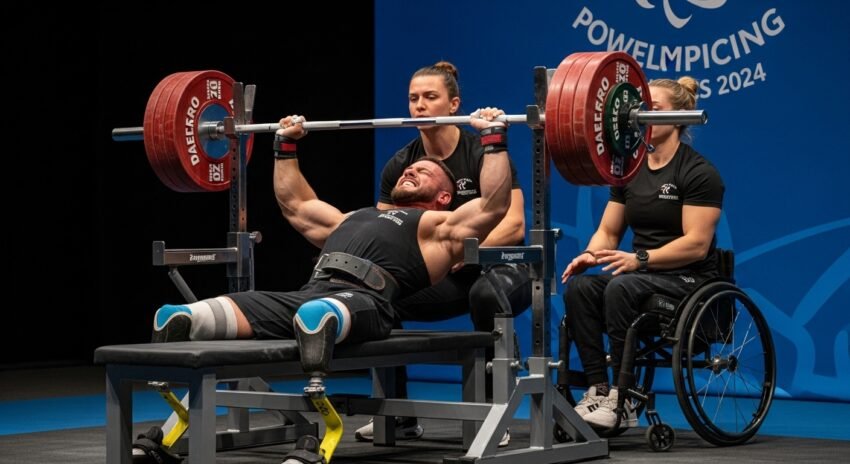
Powerlifting at the Paralympic Games is a test of pure upper body strength. Athletes with physical impairments compete by lifting weights using a movement called the bench press. Unlike Olympic weightlifting, which includes different types of lifts, Paralympic powerlifting focuses only on the bench press. Lifters lie on a flat bench and lower a loaded barbell to their chest, then press it up with locked arms. They’re judged on control, technique, and full extension. The powerlifting Paralympics 2024 will feature both men and women competing in different bodyweight classes. The heaviest lifters can bench over 300 kg (that’s more than 660 pounds)!
Who Can Compete in Paralympic Powerlifting?
To compete in the powerlifting Paralympics 2024, athletes must have a physical impairment that affects their lower limbs. This includes amputations, spinal cord injuries, or conditions like cerebral palsy. All athletes compete equally, grouped only by bodyweight—not by the type of disability. That means a wide range of lifters with different conditions can face off in the same class. Before entering the Games, athletes must meet certain standards in international qualifying events and compete at a high level. This creates a powerful and fair playing field where strength is all that matters.
Weight Classes in Powerlifting Paralympics 2024
In the powerlifting Paralympics 2024, both men and women will compete in ten different bodyweight categories. For example, the men’s classes range from up to 49 kg to over 107 kg, while women compete from up to 41 kg to over 86 kg. Each athlete gets three chances to lift the heaviest weight possible in their class. The lifter with the highest successful lift wins. These weight classes are designed to ensure fair competition, so someone in a lighter class doesn’t have to compete with someone much heavier. Everyone competes against people their own size.
Powerlifting at the Paris 2024 Paralympics
The powerlifting event at the Paralympics 2024 will take place in Paris, France, with events held from September 4th to September 8th, 2024. The competition venue will be buzzing with energy as athletes from around the world show off their strength and determination. Fans will see powerful bench presses, dramatic finishes, and even new world records. It’s part of the larger Paris 2024 Paralympic Games, which will feature 22 sports and the most inclusive sports lineup in Paralympic history. The whole world will be watching, and powerlifting is sure to be a highlight.
Top Athletes to Watch in 2024
The powerlifting Paralympics 2024 will bring back stars from Tokyo and introduce new rising talents. Names to watch include Siamand Rahman, the late Iranian powerlifting legend who still holds world records, and Lei Liu from China, known for multiple golds. Nigeria’s Lucy Ejike, one of the most decorated female powerlifters, is also expected to shine. Egypt, Iran, and Nigeria have strong histories in the sport. Young lifters from Europe and the Americas are aiming to make their mark too. Expect close battles, personal bests, and maybe surprise performances that go viral.
How Records Are Set in Powerlifting
In powerlifting, setting a record means lifting more than anyone else in your weight class ever has. At the powerlifting Paralympics 2024, you can expect record-breaking performances. Athletes are always pushing boundaries. A successful lift requires full technical approval: the bar must pause on the chest, be pressed up in a straight line, and arms must lock at the top without bouncing or cheating. Three judges confirm the lift using red and white lights. If it’s a clean lift and beats the previous best, congratulations—it becomes a new Paralympic or world record.
Training for Powerlifting at the Paralympic Level
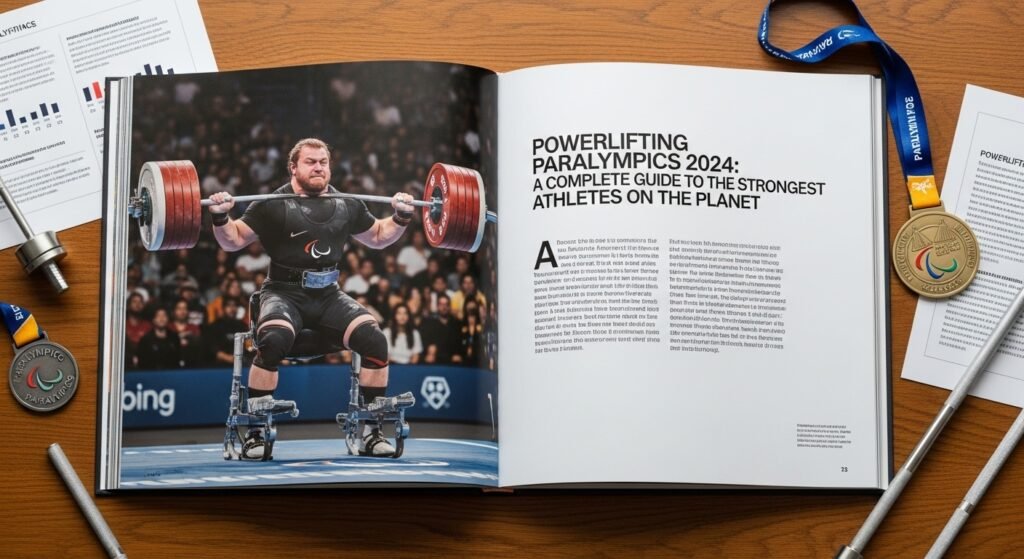
To compete at the Paralympics 2024, powerlifters train hard—often six days a week. Training includes not just heavy lifts, but also stability work, nutrition, mental coaching, and plenty of recovery. Building bench press strength takes dedication, but improving balance, breathing, and grip is just as important. Every athlete has a personal coach and support team. And since most lifters compete seated or lying down, upper-body strength is key. Some have even turned private gyms or garages into training centers. It’s incredible how much effort and focus goes into lifting one perfect barbell.
How Is Powerlifting Judged Fairly?
Each lift in powerlifting Paralympics 2024 is judged using three referees. They give visual signs with lights—white for good, red for no lift. For a lift to count, the athlete must pause the bar on their chest, press it smoothly upward, and lock both elbows with control. If they bounce the bar, twist it, or lift unevenly, the attempt can be disqualified. This judging system ensures fairness. There is also technology to check body positioning on the bench. With strict but clear rules, every athlete knows what to expect, and winners earn respect with every clean lift.
Adaptive Equipment in Paralympic Powerlifting
The bench used in Paralympic powerlifting is specially designed to meet the needs of athletes with lower-limb impairments. The bench is wider and flatter, with strapping systems used to stabilize the lifter’s legs and hips for safety. These adaptations allow fair attempts and high-performance lifts for everyone. Shoe wear, wheelchair transfers, and athlete classifications are organized carefully to meet safety standards. Teams help lifters get into place, but only the athlete can complete the lift—no assist allowed. It’s a great example of how sport becomes accessible through thoughtful design and inclusion.
Powerlifting and the Spirit of the Paralympics
Powerlifting is more than a test of strength—it represents the values of the Paralympic spirit: courage, determination, equality, and inspiration. Watching athletes give everything they have in a single lift reminds us of the power of human effort. Every athlete has overcome unique challenges to be there. Some recovered from accidents, others were born with physical conditions. Yet here they are—stronger than ever, pushing limits and proving that ability is more than what you see on the outside. That’s why powerlifting Paralympics 2024 will be one of the most emotionally powerful events of the Games.
Where to Watch Powerlifting Paralympics 2024
You’ll be able to watch the powerlifting Paralympics 2024 across many platforms. NBC Sports, Eurosport, Channel 4 (UK), and the Paralympic Games YouTube page will carry live and recorded coverage. Social media will also be full of highlight clips, interviews, and behind-the-scenes stories. Don’t miss sessions like the men’s +107 kg or women’s +86 kg finals—they often include record-setting lifts. Following the Paralympics on Instagram or TikTok gives you updates, athlete shoutouts, and real-time celebration reactions. Whether you’re cheering from home or teaching kids about ability, these Games offer unforgettable moments.
How to Support Powerlifting Athletes
Even if you’re not competing, you can still support powerlifting Paralympics 2024 in big ways. Share highlights, talk about your favorite athletes, or spread awareness about adaptive sports. Follow local powerlifters in your country or city—they often train hard without huge sponsors. Attend Paralympic live events or buy merchandise that sends profits back to athletes. Use social media to lift up their efforts. The more support these lifters get, the more they’ll inspire the next generation of strong, talented athletes around the world.
FAQs
1. What is powerlifting in the Paralympics?
It’s a bench press competition where athletes lift as much weight as possible, judged on form and strength.
2. Who can compete in Paralympic powerlifting?
Athletes with lower limb impairments, including amputees or spinal injuries, can qualify if they meet standards.
3. How many events are there at powerlifting Paralympics 2024?
There are 10 weight categories each for men and for women, from light to heavyweight.
4. Where is the 2024 Paralympics being held?
The 2024 Paralympics, including powerlifting, will be held in Paris, France, in early September.
5. How are records verified in powerlifting?
Three judges must approve the lift using red or white lights. A clean, approved lift can break a record if it’s heavier than the current one.
6. Can I attend the powerlifting events in person?
Yes! Tickets will be available through the official Paris 2024 website. Plan early—they sell out fast.
Final Thoughts
There’s nothing ordinary about the powerlifting Paralympics 2024. Each bench press tells a story of discipline, heart, and strength. These athletes train hard, fight through setbacks, and show up with purpose. Watching them is more than entertainment—it’s fuel for your own goals. Whether you’re into fitness, sports, or just love amazing human moments, this event has something for you. Share the stories, cheer for your favorites, and feel the pride as athletes from all over the world compete with everything they’ve got. Strength comes in all forms—and in Paris 2024, you’ll see the strongest of them all.