Table of Contents
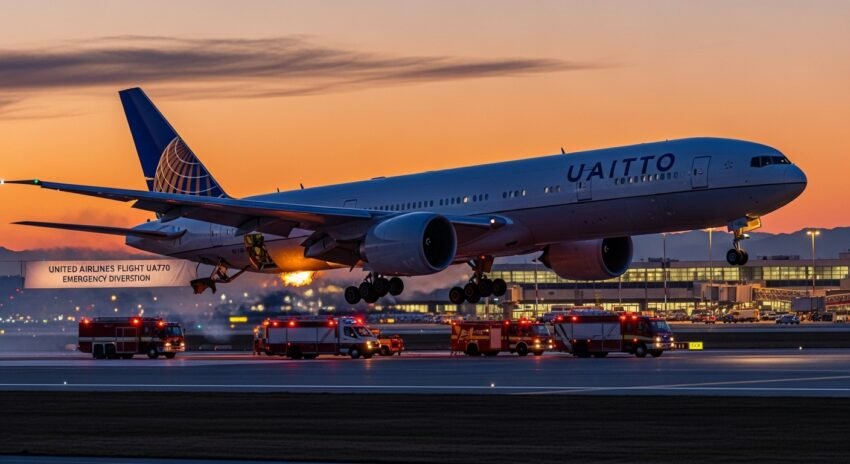
Flying is something many of us do every year. We trust pilots, crew, and the airline to get us safely to our destination. But sometimes, unexpected things happen mid-air that force a plane to change course. That’s what happened recently with United Airlines Flight UA770 emergency diversion. The news of the emergency caused concern for passengers, their families, and anyone who followed the story online. In this article, we’ll walk through what happened, why planes are diverted, safety rules, how passengers reacted, the role of the crew, and what happens after a diversion. Our goal is to help you understand air travel better and explain what an emergency flight diversion really means in simple, clear language.
What Was United Airlines Flight UA770 and Where Was It Headed?
United Airlines Flight UA770 was a scheduled commercial flight operated by United Airlines. According to flight data, it was set to fly from Los Angeles (LAX) to Chicago (ORD). This is a busy route used by both vacationers and business travelers. The Boeing aircraft left LAX on time and everything seemed normal—for a while. But during the flight, something caused the crew to take action and perform an emergency diversion. A diversion means the plane must land somewhere other than its original destination due to an urgent need. And that’s exactly what happened on UA770.
What Caused the Emergency Diversion?
Early information reported that the United Airlines Flight UA770 emergency diversion was due to a technical glitch involving the plane’s systems. In some cases like this, the cockpit indicators alert the crew even if the issue isn’t immediately dangerous. Still, pilots are trained to act quickly. Rather than continuing to Chicago, the pilots chose to divert to a nearby airport to check the issue. This is always done in the interest of safety. Though some passengers were nervous, no serious injuries were reported. The decision to divert was smart, cautious, and by-the-book.
Where Did United Airlines Flight UA770 Land?
The United Airlines Flight UA770 emergency diversion led the aircraft to land safely at Denver International Airport. Denver is a common diversion airport for flights crossing the U.S. due to its central location and large emergency crew. Upon landing, passengers were informed of the reason for the stop. Maintenance teams inspected the aircraft to fix or confirm any system-related concerns. This unplanned stop delayed the journey—but kept everyone safe. Most diverted flights resume their journey after checks or the airline arranges another plane for passengers.
What Happens During an In-Flight Diversion?
When a pilot declares a diversion, they contact air traffic control to get the safest path to land quickly. During the United Airlines Flight UA770 emergency diversion, the pilot likely followed a procedure that included informing the flight attendants, alerting passengers, and preparing the cabin. The pilots decide on the best landing airport based on location, weather, and available facilities. Meanwhile, the cabin crew makes sure passengers remain calm and seated with seatbelts fastened. It can feel scary, but diversions are something all pilots train for often. They are well prepared to handle these situations safely.
How Did the Crew Handle the Situation?
Reports say the flight crew of United Airlines Flight UA770 acted professionally during the entire process. Passengers mentioned that the pilot made an announcement about the diversion and explained what was going on, which helped to calm nerves. Flight attendants remained supportive and followed safety steps, checking on passengers and securing the cabin. That response is exactly what passengers hope for during an emergency. Crew members are trained for all types of issues—from turbulence to emergency landings. Their fast and kind actions often make a big difference in stressful moments.
Are Flight Diversions Common?
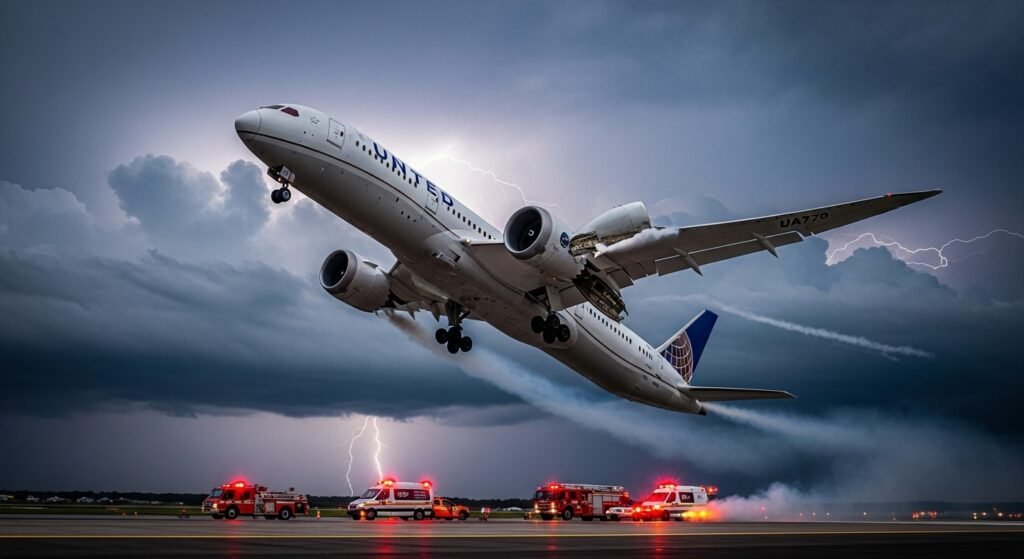
You might wonder if the United Airlines Flight UA770 emergency diversion was a rare event. It turns out, diversions happen more often than people think. Most diversions are due to weather, medical emergencies, or technical issues. Pilots don’t take them lightly, but they’re trained to decide quickly when one is necessary. It’s always about safety first. Every commercial airline has a plan for diversions, and airports are ready to handle them. Most passengers will never experience a diversion, but when they happen, it’s comforting to know how well teams respond.
How Does United Airlines Handle Diversions Like This?
United Airlines, like other major carriers, follows a strict procedure during emergencies. When flight UA770 was diverted, ground teams at Denver prepared to welcome the plane, assess the problem, and decide the next steps. The airline usually provides updates to passengers, helps with rebooking if needed, and arranges food or lodging for long delays. In urgent cases, United’s operations control center works closely with FAA air traffic control to make sure everything stays safe. They also communicate with family members when needed and may issue follow-up reports or gestures of goodwill toward impacted travelers.
How Do Passengers Feel During a Diversion?
It’s normal to feel worried when your flight takes an unexpected turn. Some passengers from United Airlines Flight UA770’s emergency diversion reported feeling nervous, but most said the crew’s calm tone helped them stay focused. For some, the extra stop was simply a delay. For others, it was their first flight diversion, making it more stressful. Airlines now work hard to explain what’s going on by providing in-flight announcements, letting you follow the flight path, and updating arriving family members. Most people feel better once they know the diversion is for safety—not due to an accident.
What Should Passengers Do During a Diversion?
If your flight gets diverted like United Airlines Flight UA770, stay calm and follow crew directions. Make sure your seatbelt is on and listen for instructions. Don’t panic or spread rumors. Wait until the plane lands safely and wait for ground crew info. It’s smart to contact loved ones once you’re safely on the ground. You can also check the airline app or website for update alerts. Keeping snacks, water, or a book is helpful if there’s a long wait. Most importantly, remember that diversions are made for your safety, not to cause stress.
Is Compensation Offered After a Flight Diversion?
When flights are delayed or diverted, passengers often ask if they qualify for compensation. In the case of the United Airlines Flight UA770 emergency diversion, compensation depends on what caused the incident. If it was weather or a sudden safety issue, the airline may not be required to pay but might offer vouchers or rebooking options. If it turns out the diversion happened due to something avoidable, then additional steps could be offered. Always ask respectfully at the gate or call customer service later to ask if compensation or travel credit is available.
Does Emergency Diversion Impact Airline Reputation?
Every airline faces challenges now and then. The key is how they respond. For United Airlines Flight UA770’s emergency diversion, responders acted quickly and put safety first—which keeps trust high. Airlines are judged based on their customer experience, communication, and handling of unexpected events. When crews are calm, polite, and keep travelers informed, passengers usually respond positively. In today’s world, people post their experiences online, and a good response during a tough situation can protect or even improve an airline’s image. So while diversions are tough, they’re also moments when airlines show what they’re made of.
Can Technology Prevent Diversions Like on UA770?
Great advances in flight technology help detect problems early—before they become serious. Planes like the one on United Airlines Flight UA770 are equipped with advanced monitoring systems that alert pilots quickly. That’s why diversions can happen even if passengers don’t notice anything wrong. Newer planes use better sensors, smarter engines, and backup control systems to make flying safer than ever. Still, machines aren’t perfect. That’s why trained human crews and solid airline procedures are still the most important tools during emergencies. Technology helps, but teamwork keeps flights safe.
Will Diversions Delay Other Flights?
When a flight like United Airlines Flight UA770 gets diverted, it can sometimes affect other flights. If the diverted plane needs a new gate or technical help, other planes may have to wait a little bit. However, large airports like Denver are used to that. They have many gates and staff ready to handle extra landings. Usually, delays don’t stretch too far unless it’s a weather event or a very large disruption. Flight control and airport operations work together every day to keep as many planes running on time as possible, even with big changes.
FAQs
1. What happened to United Airlines Flight UA770?
Flight UA770 was diverted mid-air due to a technical issue. The crew landed safely in Denver for safety checks.
2. Is it common for flights like UA770 to be diverted?
Yes, in-flight diversions happen more often than people think, from weather to medical and technical problems.
3. Were any passengers hurt on flight UA770?
No injuries were reported from the emergency diversion. The decision was made purely for safety.
4. Do passengers get notified during a diversion?
Yes. The pilot usually makes announcements, and flight attendants help explain the situation calmly and clearly.
5. Will passengers be delayed long after a diversion?
It depends. Some planes continue their journey the same day, while others might switch planes or wait hours.
6. Is United Airlines responsible for covering hotel or food costs?
If the delay is long and the diversion wasn’t weather-related, they may offer vouchers or help with rebooking.
Final Thoughts
The story of the United Airlines Flight UA770 emergency diversion is more than just a headline—it’s a reminder of how well airlines prepare for unexpected situations. Diversions can be stressful, but they’re part of keeping millions of passengers safe every year. When pilots, crew, and airport staff work together, even surprise changes turn into smooth landings. If you ever face a flight diversion, stay calm, trust the process, and know that your safety is the top priority. UA770 may not have landed as planned—but it shows the power of training, teamwork, and choosing safety above all else.