Table of Contents
Have you ever wondered how your body moves tiny things like nutrients, fluids, or even tears around? It all happens through small pathways. One of those tiny but important pathways is called a canaliculus, or in plural form, canaliculi. These little channels may be small, but they do big jobs inside your body. From helping you cry to cleaning your bones, canaliculi play a quiet and active role every day. In this easy-to-read guide, we’ll explore what canaliculi are, what they do, where they are found, and why they matter for your health. Whether you heard the word in science class, saw it in a medical article, or just want to learn something cool about your body, this article is here to help. Let’s dive into the world of canaliculi together!
Understanding the Word Canaliculi
Let’s start with the name. Canaliculi (pronounced kuh-NAL-ih-cue-lee) comes from Latin and means “little channels.” The word canaliculus is the singular form. You’ll often find this term in anatomy, biology, and medicine. It may sound complex, but it really just means tiny tubes or canals in your body. These channels help move liquids or small particles from one place to another. They exist in bone tissue, your liver, your eyes, and other parts of the body. Even though they’re small, they serve important roles and help your cells stay healthy and connected.
Where Are Canaliculi Found in the Body?
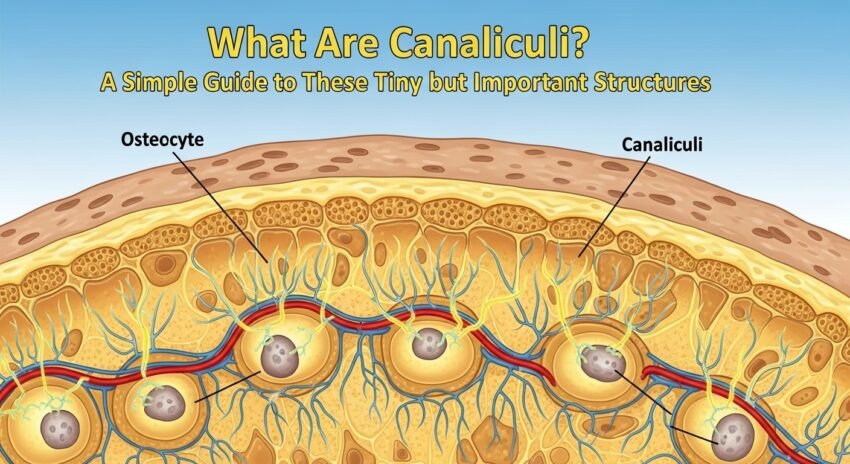
Canaliculi can be found in several areas of your body. One major place is your bones. Inside your bones are living cells called osteocytes, and canaliculi connect them. You can also find canaliculi in your liver, where they help carry bile. In your eyes, they help drain away extra tears. So while the same word is used, canaliculi can play different roles in different systems. No matter where you find them, their job stays the same: to help move tiny things around smoothly in the body.
Canaliculi in Bone Tissue: Important for Communication
In your bones, canaliculi act as tiny tunnels between bone cells. Think of them like a phone line or road that helps cells talk to each other. Each bone cell, or osteocyte, sits in a space called a lacuna. The canaliculi build a network from one lacuna to the next. This allows nutrients, minerals, and chemical signals to reach every part of the bone. Without canaliculi, bone cells wouldn’t get what they need, and communication between cells would stop. That means your bones could become weak or damaged. So these small channels keep your skeletal system strong and responsive.
Canaliculi in the Liver: Helping with Bile Flow
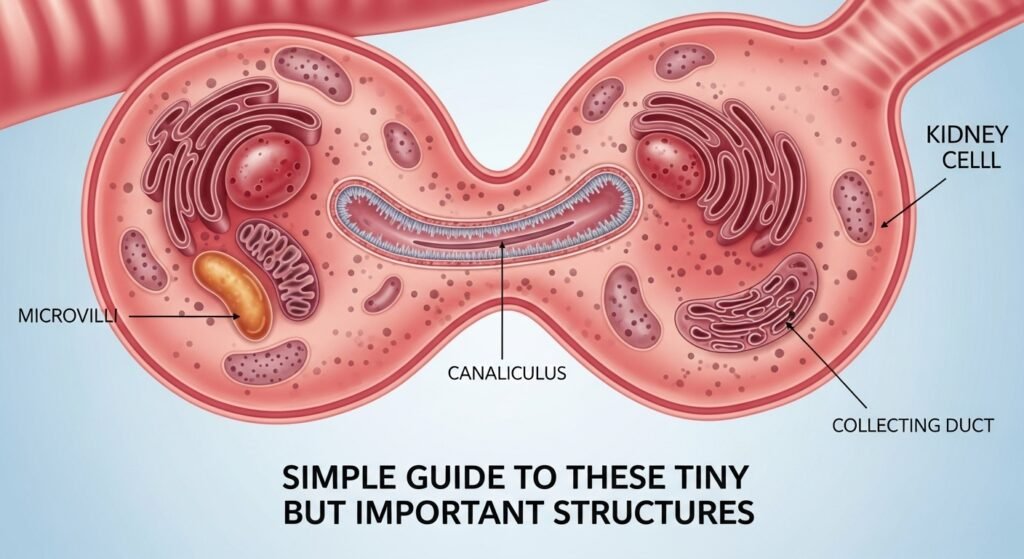
Your liver is like a big filter for your body, and one of its jobs is to make and send out bile. Bile helps break down fats during digestion. But how does the bile get where it needs to go? That’s where bile canaliculi come in. These are special canaliculi that form between the liver’s cells. They collect bile and pass it into bile ducts, which carry it to the gallbladder or intestine. Without this process, your body couldn’t handle fat properly. So even though the bile canaliculi are super small, their job is big and very important for digestion.
Canaliculi in the Eyes: Keeping Tears in Balance
Did you know your eyes also have canaliculi? In the eyes, they help drain away extra tears. When you blink or tear up, some tears wash across your eye and need to leave. That’s where canaliculi in the eyelids come in. These tiny drainage tubes connect to the tear ducts, which lead to your nose. That’s why your nose sometimes runs when you cry. If these tear canaliculi get blocked, it can lead to watery eyes or even infection. So they may be small, but these tear pathways keep your eyes comfortable and your vision clear.
How Do Canaliculi Help the Body?
Canaliculi are like secret passageways in your body. They make sure cells stay connected, fluids flow smoothly, and waste gets cleared out. In bones, they allow cell communication. In the liver, they guide bile out of the cells. In the eyes, they help drain tears. Imagine if your neighborhood had no roads. Deliveries, trash pickup, and messages wouldn’t move very well. The same is true inside your body. Canaliculi are the tiny “roads” that keep everything working silently and smoothly. Without them, your major systems could fail to function as they should.
What Happens When Canaliculi Get Blocked?
Just like roads can get blocked with traffic, canaliculi can get clogged too. When that happens, it can lead to problems. In the eyes, blocked tear canaliculi can cause watery eyes or infections. In the liver, if bile canaliculi get clogged, it could lead to cholestasis, a condition where bile can’t flow properly. In bones, damage to canaliculi may stop bone cells from getting what they need. This can limit bone growth or healing. Doctors and researchers carefully study canaliculi so they can find ways to fix or improve these small but vital systems.
How Scientists Study Canaliculi
Science has come a long way in understanding canaliculi. Because they are so small, researchers use special tools like microscopes, 3D imaging, and bone scans. In bone studies, they look at how canaliculi help with healing and cell aging. In eye exams, doctors can inject small dyes to see how tears flow through tear canaliculi. Liver specialists look at bile flow using scans or blood tests. Studying canaliculi helps doctors learn how to treat diseases and keep body systems working well. Even though these channels are tiny, scientists give them big attention because of their important roles.
Can Canaliculi Regrow or Heal?
Researchers are still learning about this. In bones, canaliculi may grow back under certain conditions, especially if the bone itself is also healing. Some studies suggest that bone remodeling, a process where old bone is replaced by new bone, may help in restoring damaged canaliculi. In the eyes and liver, healing canaliculi is more complex and may require surgery or medications. If a tear drainage canaliculus gets blocked or infected, doctors might need to open it or offer treatment. New advances in regenerative medicine could allow scientists to rebuild canaliculi in the future using special cells or implants.
Canaliculi in Marine and Animal Life
You might be surprised to know that canaliculi are not just found in humans. Many animals and sea creatures have them too. In fish and amphibians, canaliculi can help move fluids like mucous, and in reptiles, they help with bone health. Scientists study these in animals to learn how canaliculi evolved and how they may work in different conditions. Marine biologists also examine them to understand shell formation in some sea animals. By looking outside the human body, researchers gather ideas that help in medical science and technology.
Why Should You Care About Canaliculi?
You may never see a canaliculus with your own eyes, but you use them every day without even knowing it. They help your bones stay strong, your digestion work right, and your eyes stay clear. These tiny channels remind us how amazing the human body is—even the tiniest parts have big duties. By learning about canaliculi, we gain a better understanding of how our body functions silently and smoothly. Plus, knowing how canaliculi work can help if you ever face issues like watery eyes, liver conditions, or bone injuries. Knowledge is power—even when it’s microscopic!
Real-Life Examples and Medical Uses
Doctors and surgeons often treat conditions linked to canaliculi. For example:
- Blocked tear canaliculi may be fixed with surgery or stents.
- Liver bile issues caused by clogged canaliculi are supported with medicines or dietary changes.
- Bone diseases related to cellular communication may be treated with injections or therapy that targets the osteocyte-canaliculi network.
Understanding canaliculi helps not just in science labs but in real hospital rooms. These tiny parts can affect big health outcomes. That’s why doctors keep learning about them—to offer more accurate treatments and better care.
FAQs
Q1: What are canaliculi in simple words?
Canaliculi are tiny tubes or channels in your body that help move small fluids and keep cells connected.
Q2: Where can I find canaliculi in my body?
You can find them in your bones, liver, and eyes. They do different jobs in each organ.
Q3: Are canaliculi in bones important?
Yes. They help bone cells get nutrients and talk to each other to stay strong and healthy.
Q4: What happens if a canaliculus gets blocked?
It can lead to issues like watery eyes, liver problems, or weak bones, depending on where the blockage is.
Q5: Can canaliculi grow back after injury?
Sometimes they can heal, especially in bone tissue, but other areas may need medical treatment.
Q6: How do doctors check canaliculi?
Doctors use imaging tools like microscopes or scans, and sometimes use dye to watch fluid flow.
Final Thoughts
Now that you’ve learned about canaliculi, you understand how powerful something tiny can be. Even though these microscopic channels might seem unimportant at first, they keep your bones healthy, your liver working, and your eyes flowing. They do all this silently, without us even noticing. That’s the beauty of the human body—how every small part plays a big role. If you’ve ever had an eye issue, liver concern, or bone injury, it’s possible that canaliculi played a part. By knowing what they are and what they do, you’re now better prepared to care for your body, understand your health, and maybe even impress someone with a cool fact they’ve never heard before. So yes, canaliculi may be small—but they have a big story to tell.