Table of Contents
When buying a home, it’s easy to get excited—and a little confused—about what happens behind the scenes. You may write a great offer with your agent, but here’s the big question: Who delivers your offer to the seller? That’s what we’ll explore here using the “who delivers your offer to the seller framework.” It’s a simple way of understanding how your offer reaches the seller and who is involved in that important process. This guide will break it down into easy ideas, using simple words and real-life examples so that even a 10-year-old can understand everything clearly.
What Is the “Who Delivers Your Offer to the Seller Framework”?
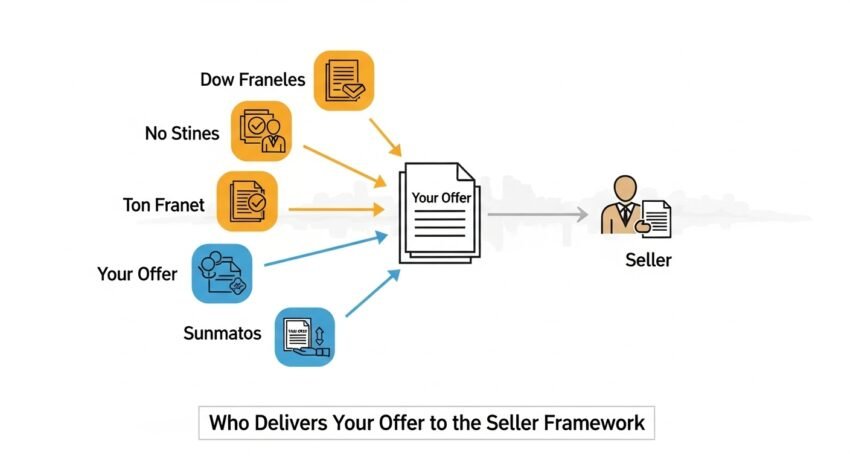
This special framework explains the path your home offer takes to get into the seller’s hands. It shows which people are involved, what steps are followed, and how communication happens. It’s not just about clicking send on an email. Your offer goes through a human system that includes your buyer’s agent, the seller, and the seller’s agent. The goal of this framework is to help both buyers and sellers communicate smoothly and quickly. Without a clear system, your offer might get delayed—or worse, ignored.
Step 1: You Create an Offer With Your Agent
The process starts when you decide to make an offer on a home you love. Your real estate agent will help you create the offer based on the listing price, the local market, and your budget. You’ll decide on the offer price, any conditions (called contingencies), your closing date, and other important details. All of this gets written down in an official offer contract. Your agent makes sure the offer is filled out correctly, legally sound, and clear. This is the first important step in the “who delivers your offer to the seller framework.”
Step 2: Offer Goes From Your Agent to Seller’s Agent
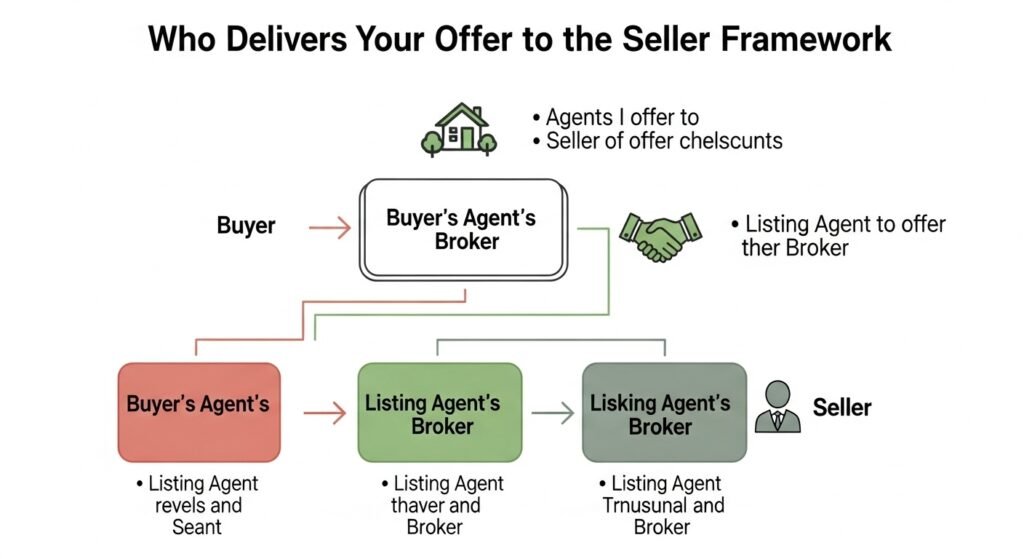
Once the offer is ready, your real estate agent sends it to the seller’s agent. The usual method is by email, but sometimes it can also be dropped off in person for a more personal touch. Real estate agents follow a system to confirm the offer was received, including asking for a read receipt, a phone call, or even a quick text. The agent might also include a summary of your offer in a message, pointing out key parts that make it stand out. This handoff is where your offer begins its trip to the seller and becomes part of the framework.
Step 3: Seller’s Agent Reviews and Delivers Offer to the Seller
Now the ball is in the seller’s court. The seller’s agent has a big job: present your offer clearly and fairly to the seller. This may happen in person, over the phone, or through video chat. The agent will go over each part of your offer, explain what it means, and answer the seller’s questions. They might also compare your offer to others if there are multiple bids. The seller doesn’t just get a document—they get a full explanation. This part of the “who delivers your offer to the seller framework” is vital because it helps sellers make smart choices.
How Communication Between Agents Affects Your Offer
Good communication can make or break your offers. Your agent needs to be sharp, quick, and respectful when talking to the seller’s agent. Why? Because a well-handled offer makes a great first impression. If your agent presents the offer with a friendly message and quick response times, the seller is more likely to take you seriously. On the other hand, if your agent delays or acts unprofessional, your offer may look weaker—even if the numbers are good. This framework works best when both agents talk clearly and often.
The Importance of Relationships in the Framework
Relationships matter in real estate. Sometimes, your agent already knows the seller’s agent from past deals. This connection can help your offer stand out. If they trust each other, communication becomes smoother and quicker. This trust adds value to the “who delivers your offer to the seller framework” because it brings honesty and clarity into the decision-making process. Even if they don’t know each other, a respectful tone and good manners go a long way.
What Happens After the Seller Receives the Offer?
After the offer is delivered, the seller has a few options. They can accept it, say no, or make a counteroffer. If there are changes, the seller’s agent sends that counteroffer back to your agent. Then you and your agent will decide if you want to accept the new terms or make changes of your own. The round-trip process of offers and counteroffers continues in this back-and-forth way until both sides agree—or one walks away. This part of the framework is called the negotiation stage, and it’s all about teamwork and timing.
How Speed Plays a Role in Offer Delivery
Time is key in real estate, especially in hot markets. In the “who delivers your offer to the seller framework,” speed can determine success. The faster your agent delivers your offer, the better chance it gets seen first. Even a few hours of delay can give another buyer a head start. That’s why many real estate professionals now use digital tools to send and sign offers quickly. Yet, speed must be balanced with care. A fast, sloppy offer won’t help—your agent must still be thorough and clear.
How Digital Tools Help Make Deliveries Faster and Safer
Today’s offers often travel through secure real estate platforms like Dotloop or DocuSign, which help everyone sign documents online. These tools ensure your offer is delivered fast, safely, and with a digital “paper trail.” Many brokers and agents now rely on digital delivery because it allows for instant access, easier tracking, and less chance of losing papers. These tools improve the “who delivers your offer to the seller framework” by adding speed without reducing safety. Plus, they’re helpful if the buyer or seller is out of town or in a different time zone.
Common Problems in Offer Delivery and How to Avoid Them
Sometimes things go wrong in the delivery process. The email might never reach the seller’s agent. Documents could be incomplete. A signature may be missing. Or the offer is late and someone else swoops in with a better deal. These problems hurt your chance of getting the home you love. That’s why it’s important to pick a skilled and trusted real estate agent. Your agent should double-check everything, follow up after sending, and stay alert for any sign of trouble. This careful work makes the framework smooth and successful.
Why It’s Not Always the Buyer Who Sends the Offer Directly
You might think it’s easier to send your offer directly to the seller, skipping the middle step. But in most cases, that’s not allowed. Real estate agents follow strict rules, and they’re trained to protect their clients’ best interests. If you send an offer straight to the seller, you could break legal agreements or upset agents. The agents exist for a reason—they make sure the rules are followed so no one gets confused or misled. That’s why the “who delivers your offer to the seller framework” always runs through agents.
The Role of Buyer’s Letters With the Offer
In many home deals, buyers also write a personal letter to explain why they love the home. This letter isn’t required, but it can touch the seller’s heart. If two offers are very close, a sweet letter could be the tie-breaker. Your agent includes this letter when delivering your offer to the seller’s agent. But be careful—some places now ban these letters to prevent unfair bias. Always ask your agent what’s allowed in your area. If done right, these letters add warmth to the framework and let sellers see the humans behind the numbers.
Does the Framework Change in Competitive Markets?
Yes, it can. In a hot market, buyers compete harder and must move faster. That’s why experienced agents often deliver offers in a more personal way—maybe by calling the listing agent or delivering in person. These extra steps build trust and respect. Sometimes offers come with extra bonuses like pre-approval letters, larger deposits, or flexible closing dates to make the deal sweeter. Understanding the “who delivers your offer to the seller framework” helps you stay prepared and responsive when things move fast.
Knowing Who’s Responsible at Every Step
It’s helpful to know who does what at every part of the offer process. You, the buyer, decide how much to offer. Your real estate agent creates the paperwork and sends it to the seller’s agent. The seller’s agent shows the seller your offer and helps them understand it. Then, the seller decides what to do. Each person plays a role, but your real estate agent is like the lead speaker. They represent your voice and your best interests in every conversation.
Final Thoughts on Using This Framework
The “who delivers your offer to the seller framework” is more than a behind-the-scenes system. It shows how teamwork, trust, and strong communication can help your offer shine in a crowded market. When your real estate agent understands this process well, they can boost your chances of getting the home you want. Knowing how your offer travels helps you prepare smarter, ask better questions, and feel more confident during the buying process. This framework keeps everything clear and fair.
FAQs
What is the “who delivers your offer to the seller framework”?
It’s a system that explains how your home offer goes from you to the seller, with help from agents on both sides.
Who is responsible for delivering the offer to the seller?
Your real estate agent sends the offer to the seller’s agent, who then shows it to the seller.
Can I send the offer directly to the seller myself?
Usually not. Real estate rules say agents must handle offers to keep things legal and fair.
What happens if my offer isn’t delivered on time?
Your chance could be lost. That’s why it’s important to work with an agent who acts fast and follows up.
Does the seller get my full offer exactly as I wrote it?
Yes. Your agent sends your full offer, and the seller sees all the details with help from their agent.
Should I include a letter with my offer?
Maybe. A letter can help in some cases but isn’t always allowed. Ask your agent first.
Conclusion
The path your offer takes matters just as much as your offer itself. When you follow the “who delivers your offer to the seller framework,” you help make sure your voice is heard clearly and quickly. You rely on your agent to deliver not just paperwork, but also your hopes. Make sure your real estate partner understands this process and respects its importance. Whether you’re buying your first home or your fifth, understanding this framework makes you a stronger, smarter buyer. If this helped you, talk to a trusted agent about your next steps—or better yet, share this guide with someone who’s house hunting too!