Table of Contents
Have you ever heard the word exostosis and felt confused? You’re not alone. Exostosis may sound like something super complex, but the good news is that it’s easier to understand than you think. Whether your doctor mentioned it, you read about it online, or someone you know was diagnosed with it, learning more can really help. This article is your friendly, all-in-one guide to what exostosis is, what causes it, and how it’s treated. We’ll break everything down into easy language so everyone—from kids to adults—can follow along. We’ll also share real examples, symptoms to look out for, common types of exostosis, and even ways to manage it. By the end of this guide, you’ll feel more informed and confident about understanding this medical term. So, let’s talk about exostosis, and learn everything you need to know in a simple and helpful way.
What Is Exostosis?
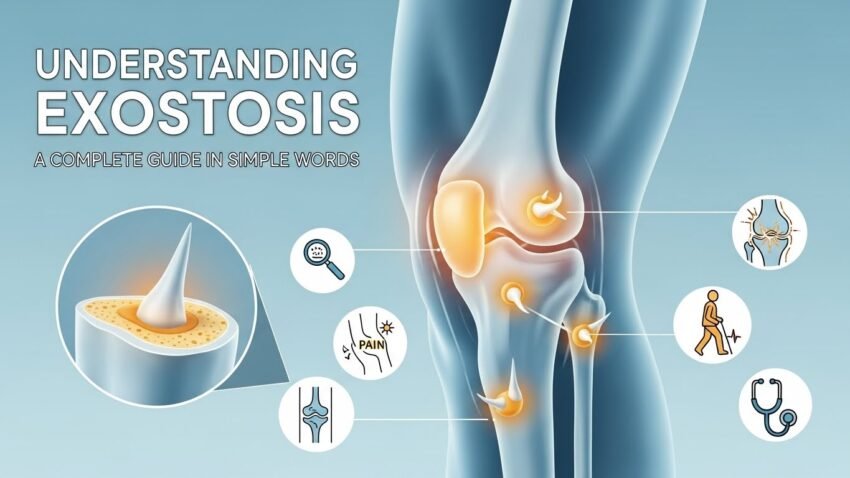
Exostosis is a medical word that means there is an extra piece of bone growing where it’s not supposed to. These small bumps or lumps grow on top of your normal bone. Think of it like an unwanted visitor that moves in slowly and makes things uncomfortable. Exostosis is also called “bone spur” in everyday language. Sometimes, these extra bone growths don’t cause pain or problems at all. But in other cases, they can press on nerves, muscles, or joints and cause issues. Exostosis can happen in different parts of the body, like your ear canal, knee, spine, or even your foot. It often grows slowly over time, and you may not notice it until there is pain or swelling. Learning more about where it happens and how it feels can help you spot it early and get the right help.
Common Causes of Exostosis
There are many reasons someone might develop exostosis, and most of them happen slowly over time. One common reason is repeated pressure or friction on a bone. For example, surfers often get a type of exostosis called “surfer’s ear” because cold water and wind irritate their ear canals over and over again. This irritation makes extra bone grow as the body tries to protect itself. Other causes include injuries, like breaking a bone, which may heal in a way that forms extra bone. Ill-fitting shoes or braces that rub against bones can also lead to exostosis. In some children or teens, it can be hereditary, meaning they might be born with a condition that causes these growths. Knowing the possible causes can help you better understand where the extra bone came from and how to manage or prevent it in the future.
Signs and Symptoms of Exostosis
Some people with exostosis don’t know they have it because there are no obvious symptoms. But others may feel pain, swelling, or pressure in the area where the extra bone is growing. For example, if it grows near a joint, it might hurt when you move it. If it’s near a nerve or tendon, it could cause tingling, numbness, or weakness. In the case of surfer’s ear, a person may feel pressure in the ear or notice hearing loss. The skin around the bump might feel sore, especially if there’s rubbing or irritation. Over time, the lump can get bigger and cause more noticeable problems. If you feel any unusual bump, pain when using a joint, or pressure in an area—don’t ignore it. These could be signs of exostosis, and catching it early can make treatment easier.
Where Exostosis Can Happen in the Body
Exostosis is most common in areas that deal with a lot of wear and tear or exposure to cold air and water. One frequent spot is the ear canal, especially for swimmers or surfers. This is known as “surfer’s ear.” Another common place is the feet, where extra bone can grow on the heel or toes from pressure caused by shoes. Some people get exostosis on the knees, shoulders, or elbows, especially after years of sports or heavy work. The spine is another area where it can happen, and when it does, it might press on nerves and cause serious discomfort. In children or teens, exostoses may show up on the ends of long bones like the femur or tibia as part of a genetic condition. Knowing the location helps doctors tell how serious it is and how best to treat it.
Types of Exostosis
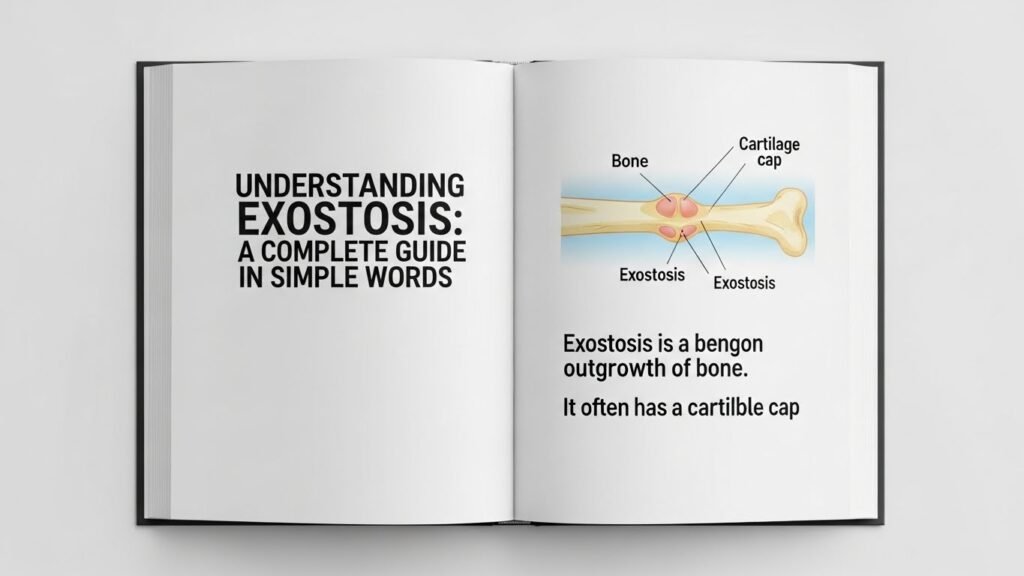
There are different kinds of exostosis, depending on where and why they appear. One kind is osteochondroma, which is common in kids and teens. It usually grows at the ends of long bones like the arms or legs. This type might go away as you grow up, but sometimes it needs surgery if it causes pain. Another type is subungual exostosis, which forms under the toenail or fingernail and can be painful. Then there’s surfer’s ear, from cold water, and spinal exostosis, which can affect walking or nerve function. Some people have a condition called hereditary multiple exostoses (HME), where more than one growth forms across the body. Each type is different, but they all involve extra bone where it shouldn’t be. Your doctor can tell which kind you have and what steps to take.
How Exostosis Is Diagnosed
If you think you have exostosis, your doctor will start by asking about your symptoms and health history. They’ll then check the area and feel for any bumps under the skin. After that, they may order an X-ray, which shows clear images of your bones. This helps the doctor see exactly where the extra bone is and how big it has grown. In some cases, a CT scan or MRI might be used to get a fuller picture, especially if nerves or soft tissues are close to the growth. These tests are painless and really helpful for making the right diagnosis. The earlier you catch exostosis, the easier it is to treat. If you notice anything unusual, don’t wait—get it checked. Knowing your diagnosis is the first step to feeling better.
Treatment Options for Exostosis
The good news is, most exostosis cases don’t require surgery. If the lump doesn’t hurt and isn’t getting bigger, your doctor may just want to watch it over time. Regular checkups and X-rays can help make sure it doesn’t cause problems. But if exostosis causes pain, limits movement, or presses on nerves, your doctor might suggest removing it with surgery. The operation is simple in most cases and can offer a lot of relief. There are also ways to manage pain without surgery, like using ice, physical therapy, or taking medicine for inflammation. Special shoes, braces, or pads can reduce pressure if exostosis is in the foot or ankle. For surfer’s ear, wearing earplugs in cold water can help prevent it. The key is getting the right treatment plan that fits your needs.
Living With Exostosis: Tips and Daily Care
Living with exostosis might sound hard, but most people manage it well with simple steps. First, it’s helpful to avoid activities that make your symptoms worse. For example, if walking bothers you because it’s in your foot, wearing soft, supportive shoes can help. If it’s in your ear, try to keep water out while swimming. Always use the treatments your doctor suggests, such as rest, medicine, or exercises. You can also talk to a physical therapist who can show you how to stretch and move safely. Stay active, but listen to your body. If something hurts, take a break and let it rest. Keep track of your symptoms in a journal so you can share updates with your doctor. With the right care, exostosis doesn’t have to stop you from living a happy, active life.
Can Exostosis Be Prevented?
While you can’t always stop exostosis, there are some ways to lower your risk. If you swim or surf in cold water often, wearing earplugs can protect your ears and help prevent surfer’s ear. Using proper equipment, like fitting shoes and supportive gear during sports, can reduce pressure on your bones. If you have a job or hobby that stresses your joints, take regular breaks and stretch often. Parents of kids with hereditary multiple exostoses should schedule checkups to monitor growth. Keeping bones healthy with good calcium-rich foods and vitamin D can also help, especially in growing children. If you ever feel unexplained pain or find a new bump, don’t wait—get it checked early. Even though exostosis may not always be preventable, smart habits can protect your body and lower your chances of discomfort.
When to See a Doctor About Exostosis
It’s a smart idea to talk to a doctor if you notice anything new or painful on your body. If a hard lump is growing under your skin, especially near a joint, it could be exostosis. You should also visit a healthcare provider if it causes pain when you move, if you feel tingling, or if there’s swelling around the area. These symptoms might mean the extra bone is pressing on a nerve or muscle. The same goes for hearing changes or pressure in your ears after swimming. Even if a bump doesn’t hurt now, it’s best to get it checked. Sometimes exostosis grows slowly and gets worse without you realizing it. Early care can stop it from becoming a bigger problem. Doctors can quickly check it out, give helpful advice, and explain your options in clear steps.
Emotional Health and Support
Dealing with a condition like exostosis can also affect how you feel, emotionally. Maybe you’re frustrated because you can’t play sports like before, or feel embarrassed about a bony lump that others can see. Those feelings are normal, and you’re not alone. It’s okay to talk about it with family, friends, or a counselor. Connecting with others who have the same condition can also help. Online support groups or local health clubs often share tips, success stories, and kind words. When you take care of your emotional wellness, everything else feels easier too. Be kind to your body and mind while you manage your condition. Remember: you are more than your diagnosis, and support is always available.
FAQs
1. Is exostosis cancerous?
No, most exostosis is non-cancerous. It’s a harmless bone growth, though it may need treatment if painful.
2. Can exostosis go away on its own?
Usually no. Exostosis doesn’t shrink, but if it’s small and painless, it may not need treatment.
3. What causes surfer’s ear?
Cold wind and water exposure cause the ear canal to grow extra bone to protect itself, leading to exostosis.
4. Is exostosis common in children?
Some types, like hereditary multiple exostoses, are more common in kids and teens during bone growth years.
5. Do all exostoses require surgery?
No. Only painful or large growths pressing on joints or nerves may need to be removed.
6. How is exostosis diagnosed?
It’s usually diagnosed with an X-ray or other imaging test after a doctor checks the painful or lumpy area.
Conclusion
Now that you understand exostosis, you know it’s not something to fear. It’s common, can be managed, and in many cases, doesn’t interfere with everyday life. Whether you’re dealing with it yourself or helping someone else, knowing the signs, causes, and treatments gives you power. You can take simple steps to feel better, from daily care routines to checking in with your doctor. And if surgery is needed, don’t worry—most procedures are simple and highly successful. Knowledge is strength, and this guide helps you build that strength, one fact at a time. So keep learning, stay aware of your body, and remember—exostosis may change a small part of your body, but it doesn’t change who you are.