Table of Contents
Have you ever gone to a hospital or clinic and been helped by someone who wasn’t a doctor or nurse but still played a big role in your care? That person might have been a health technician. If you’re wondering, “What is a health technician?”, you’re in the right place! A health technician is a trained worker who helps keep patients healthy by supporting doctors, nurses, and other professionals. They may do tests, keep medical equipment working, or help with patient records. In today’s healthcare world, health technicians are more important than ever. They work behind the scenes and beside patients to make sure everything runs smoothly. You’ll find them in hospitals, labs, clinics, dental offices, and even schools. This in-depth, easy-to-read guide will walk you through everything you need to know about health technicians—what they do, how to become one, tools they use, and why their role truly matters. Let’s break it all down, step by step, and answer your big question: what is a health technician, and could it be the right path for you?
What Is a Health Technician?
A health technician is a trained worker who helps doctors, nurses, and other medical staff care for patients more effectively. They handle important tasks so that healthcare runs safely and smoothly. Depending on their specialty, they can work with machines, perform basic tests, assist during exams, or keep track of patient information. Unlike doctors or registered nurses, health technicians don’t usually make diagnoses or prescribe medicine. But their work still saves lives every day. They work quietly, sometimes behind the scenes, making sure beds are ready, labs are organized, or test results are recorded properly. Health techs can be seen as the helping hands of the medical world—steady, focused, and essential.
Different Types of Health Technicians
There are many types of health technicians, each with a special role. Some common ones include: Medical laboratory technicians – These techs run blood tests and look at samples using lab machines. Radiologic technicians – They take X-rays or support imaging procedures like MRIs or CT scans. Pharmacy technicians – They help pharmacists fill prescriptions and handle medicine orders. Surgical technicians – These techs prepare tools and assist doctors in the operating room. Dental technicians – They work with dentists and help prepare dental equipment or materials. Emergency medical technicians (EMTs) – They give quick care during emergencies and help transport patients to hospitals. When someone asks, “What is a health technician?”, it’s helpful to know the many directions this job can take.
Where Do Health Technicians Work?
Health technicians have many options when it comes to where they work. Most are found in hospitals, helping with daily patient care, surgeries, or lab work. Others work in clinics, diagnostic labs, urgent care centers, or blood banks. Some even work in schools, research centers, nursing homes, or public health departments. Depending on their role, a health technician might spend time in a lab coat, working with samples. Or they may wear scrubs, moving between patient rooms, helping with cleanups and equipment. Some even travel, visiting people in their homes or helping at accident scenes. No matter where they are, health technicians are a key part of the health team.
Daily Tasks of a Health Technician
What a health technician does each day depends on their role. But here are some common tasks: – Checking vital signs like blood pressure and temperature. – Collecting blood, urine, or other body samples. – Operating medical machines (like ECGs or X-ray scanners). – Setting up rooms for exams or surgeries. – Cleaning and sterilizing medical tools. – Updating patient charts and helping with electronic records. – Assisting doctors or nurses during patient care. Health technicians also talk with patients to help them feel calm before a test or procedure. They’re great with details and always follow safety rules. When someone asks, “What is a health technician?”, this list of responsibilities shows how much they do to keep things running.
Education and Training Needed
You don’t need to attend medical school to become a health technician, but you do need some training. Most health techs go to a technical school, community college, or take certification courses. These programs usually last between 6 months to 2 years. Some programs offer hands-on experience so students can practice what they learn. For example, a lab technician may learn how to use microscopes and interpret results. A radiologic tech may train with real imaging machines. After school, some roles may also require certification exams. These keep patients safe by making sure techs know the job well. So, if you want to know what is a health technician, know that it’s a skilled role that starts with learning and training.
Skills Every Health Technician Should Have
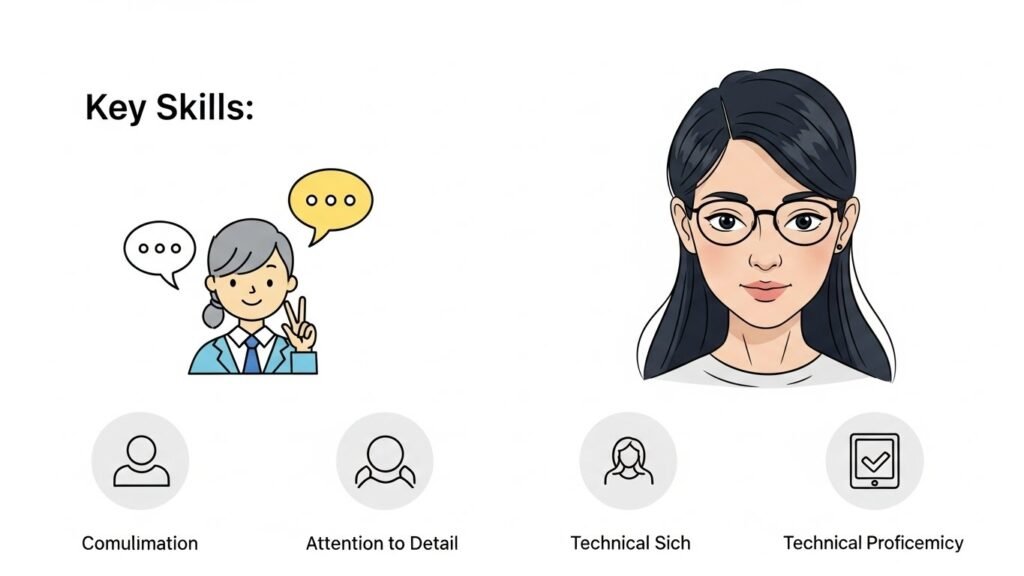
Technical training is important, but soft skills matter too. Health technicians work with people and must be kind, patient, and alert. Here are key skills every health technician should have: – Attention to detail – small mistakes in records or test results can affect treatment. – Good communication – explaining procedures clearly to patients and reporting results properly. – Teamwork – health technicians never work alone; they are always part of a care team. – Problem-solving – sometimes tools break or test results seem unclear, and you need to stay calm. – Time management – many tasks are fast-paced and require quick, accurate action. These skills, paired with proper training, help answer the question, “What is a health technician?” They’re the person who stays calm, acts smart, and supports every shift from start to finish.
Tools and Equipment Health Technicians Use
Depending on their specialty, health technicians use a variety of tools. A lab tech may use centrifuges, pipettes, and microscopes. A radiology technician operates X-ray or CT scan machines. Surgical techs handle sterile tools, including scissors, clamps, and retractors. Beyond technical tools, they also use digital systems to track patient records and treatments. Tools like electronic health record (EHR) software help monitor patient progress and schedule tests. Learning to use these tools correctly is part of becoming a trusted technician. When we ask, “What is a health technician?”, we must look at their tools too—they are trained professionals handling sensitive equipment every day.
The Role of a Health Technician in Patient Care
Health technicians are often the quiet heroes in the healthcare world. Though they may not give diagnoses, they still make a huge impact on patient lives. From the blood samples they collect to the scans they take, each task gives needed info for doctors to make better decisions. Sometimes technicians are the ones who calm a nervous child getting their first X-ray. Other times, they rush into action with EMTs during emergencies. Their work improves care quality, speeds up treatments, and boosts safety in hospitals. When people ask, “What is a health technician?”, they deserve to know it’s someone who truly keeps patient care moving forward.
Job Outlook and Career Growth
Healthcare is growing quickly, and so is the need for skilled support workers. With so many roles under the health technician umbrella, job opportunities are strong and still rising. According to official job data, roles like lab, radiology, and surgical technicians are expected to grow faster than average over the next decade. New technology also creates new roles. Telehealth, mobile testing, and home monitoring all need trained techs. So if you’re wondering what is a health technician, it’s also a career filled with choices. You might start as a tech and later move into teaching, sales, or hospital management. It’s flexible, rewarding, and always in motion.
Salary Expectations for Health Technicians
Salaries depend on your role and how much experience you have. Entry-level health technicians can expect to earn between $35,000 to $60,000 per year, depending on their specialty. For example, radiology or surgical techs usually earn more than clerical-based technicians. Certified and experienced techs also take home higher pay. Some employers pay more for night shifts, emergency services, or travel assignments. And as technology grows, health techs who learn new tools can find even better pay. So if you’re thinking, “is this job worth it?” and asking, “what is a health technician going to make?”—know that it’s a stable job with great room for growth.
How to Start Your Path as a Health Technician
If you’re interested in this field, here are a few first steps: 1. Research different types of health tech jobs and see what fits your interests. 2. Find accredited training programs at local colleges or online platforms. 3. Talk to professionals in the field to learn what daily life on the job is like. 4. Look into certification or licensing requirements in your area. 5. Apply for internships or shadowing programs while still studying. Starting small is just fine—you don’t have to know it all at once. The path to becoming a health technician is flexible, and there are many short programs that can lead to full-time, meaningful work in less than two years. When wondering “what is a health technician?” it may turn out to be your dream job.
FAQs
1. What is a health technician’s main job? A health technician supports medical staff by collecting data, running tests, and helping with patient care.
2. Is becoming a health technician hard? It’s not hard, but it does take effort, training, and focus on small details that really matter in healthcare.
3. How long does it take to become a health tech? Most programs take between 6 months and 2 years, depending on the specialty you choose.
4. Where do health technicians usually work? They work in hospitals, clinics, labs, nursing homes, schools, and even in ambulances or research labs.
5. Can you become a health technician online? Yes, many schools offer online programs with hands-on practice either at home or in supervised locations.
6. What skills are best for health technicians? Kindness, attention to detail, tech skills, teamwork, and the ability to stay calm under pressure.
Final Thoughts
By now, you understand more than just the answer to “what is a health technician?”—you know why this job matters. It’s a career full of purpose, where every day brings a chance to help someone feel better, get answers, or find comfort. Whether you’re working with machines in a lab or sitting beside a frightened patient in a hospital room, your work matters. If you enjoy science, love helping others, and want a career that grows with you, this might be the path for you. From short training programs to strong job outlooks, health technician careers are both practical and meaningful. Take that first step. Ask questions, explore schools, and learn more. You might just find that your future is calling—and it’s wearing scrubs.