Table of Contents
You may have heard the word asbestlint and felt confused or even worried. What does it mean? Is it the same as asbestos? Is it dangerous? If you’re asking these questions, you’re not alone. Many people want to understand what asbestlint is and how it can affect their health, homes, and families. That’s why we created this easy-to-read guide. In this article, we’ll explain everything you need to know about asbestlint using simple words and short sentences. We’ll cover what it is, where it comes from, why it matters, and how to stay safe. We’ll also share personal tips, real examples, and expert advice so you can make smart choices when it comes to dealing with this topic. Whether you’re a homeowner, a renter, or someone working in construction, this guide will help you feel more confident and informed. So, let’s take a deep breath (away from any dust, of course) and explore the facts about asbestlint step by step.
What Is Asbestlint?
Asbestlint is not a common word, but it’s closely related to something more familiar: asbestos. Asbestlint refers to extremely small, fine fibers or particles of asbestos that can become airborne. These particles may look like fluffy dust or lint, which is why the name includes “lint.” Asbestlint usually forms when materials containing asbestos are broken, crushed, or disturbed in some way. These tiny fibers can float in the air and be breathed in without you even noticing. That’s what makes them so dangerous. Because the fibers are very small and light, they can stay in the air for a long time. If you breathe in asbestlint over time, it may lead to serious health problems. So understanding what asbestlint is and how it spreads is the first step in protecting yourself and your family.
Where Does Asbestlint Come From?
Asbestlint comes from asbestos-containing materials that have been damaged or disturbed. Years ago, asbestos was used in many building products because it was strong, fire-resistant, and cheap. It was added to insulation, floor tiles, ceiling tiles, pipe coverings, roofing, and even some glues and wall textures. Homes and buildings built before the 1980s are especially likely to have asbestos somewhere inside. Over time, if these materials start to fall apart, that’s when asbestlint is created. Construction, remodeling, or even just wear and tear can release these tiny fibers into the air. Once released, asbestlint clings to furniture, carpets, clothing, and even air filters. It’s hard to see and can be easy to miss—but the risks are there if proper care is not taken. That’s why professionals test and treat asbestos carefully when working in older buildings.
Why Is Asbestlint Dangerous?
The danger of asbestlint comes from how it behaves in your body. When you breathe in these tiny fibers, they can get stuck in your lungs. Over time, they don’t break down like other dust particles. Instead, they stay there and cause inflammation, breathing problems, or even serious diseases. People who have been exposed to asbestlint for long periods are at risk of lung cancer, asbestosis, and a rare cancer called mesothelioma. What’s worse is that these health problems often don’t appear until many years later. That means someone may not even know they were harmed until it’s too late to stop it. That’s why early knowledge and safety steps are so important. If there’s a chance that asbestos materials have been disturbed in your home or workplace, even a small amount of asbestlint should be treated seriously.
Can You See Asbestlint?
Most of the time, you can’t see asbestlint with the naked eye. These fibers are really small—almost invisible. In fact, they can be 50 to 200 times thinner than a strand of human hair. They don’t smell, and you can’t feel them in the air. That’s what makes them so tricky and dangerous. Because you can’t see them, you may not know they’re around until it’s too late. Sometimes, if there’s a lot of dust or something looks powdery, people assume it’s safe—but it might be loaded with asbestlint. Experts use special equipment to detect its presence. If suspicious materials are being removed or repaired, it’s best to avoid the area completely until the job is done safely. Never try to clean or remove unknown fiber-filled dust on your own unless you’re trained and protected.
How Is Asbestlint Different from Regular Dust?
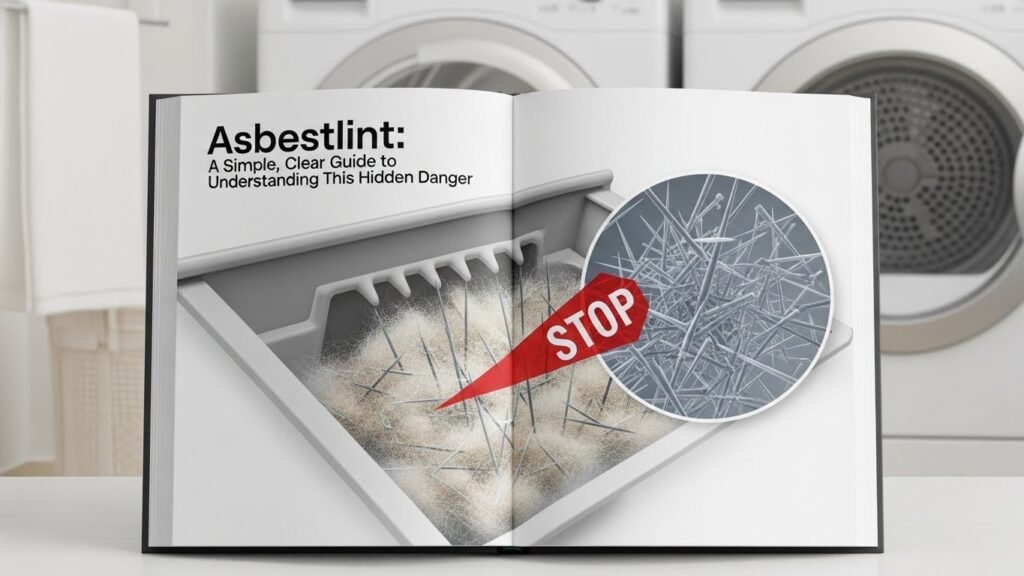
Normal dust comes from things like skin cells, fabric fibers, pollen, or dirt. It may be annoying, but it’s not usually life-threatening. Asbestlint, on the other hand, contains shards of a very harmful material. These tiny pieces of asbestos can get deep into your lungs where normal dust wouldn’t go. Worse, they can stay trapped there forever. They can create long-term damage that sometimes doesn’t show up until decades later. Unlike regular dust, you can’t simply vacuum asbestlint safely using a home vacuum. Doing so may actually release more of it into the air. If you ever see unusual dust while doing housework—especially in older homes—don’t assume it’s harmless. When in doubt, get it tested. Treat asbestlint like a serious threat until a professional says otherwise.
Where Might You Find Asbestlint in a Home?
We don’t like to think our homes could be unsafe, but old materials can sometimes cause trouble. You might find asbestlint in attics with old insulation, around older heating pipes wrapped in white or gray cloth-like layers, or under old vinyl floors. Ceilings sprayed with a “popcorn” texture may also contain asbestos if they were applied before the 1990s. In some cases, even exterior siding and roof shingles can hold asbestos dust. If any of these surfaces are cracked, broken, or removed without safety tools, they can release asbestlint into the spaces you live in. If your house was built before 1990 and hasn’t been checked for asbestos, it may be time to take a closer look—especially before starting any remodeling or repairs.
How Can You Test for Asbestlint?
Testing for asbestlint should always be done by professionals. Trying to test or remove it yourself can be dangerous. Experts take small samples of potentially harmful material and send them to a certified lab. These labs use microscopes and special tools to confirm if the dust contains asbestos. There are also air tests that detect floating fibers in the air you breathe. These tests help assess whether the space is safe or needs cleanup. DIY kits do exist, but they can be risky. Even collecting a sample the wrong way can release more dust and make the situation worse. If you suspect asbestlint in your home, call a licensed asbestos inspector who has training and protective gear to do the job safely.
What Should You Do if You Find Asbestlint?
If you discover or suspect asbestlint, stay calm but take action. First, do not sweep, vacuum, or touch the area. Disturbing it can make the fibers float into the air and spread. Keep pets and kids away from the space to prevent them from stirring up dust. Next, contact a licensed asbestos removal service. These experts will wear protective clothing, block off the area, and use special vacuums that trap fine dust. They will remove or seal the materials safely so they don’t release more asbestlint over time. It’s important not to delay. The longer the particles stay in the air, the greater the risk of breathing them in. Acting fast with the right help can keep everyone safer and healthier.
How Do Professionals Remove Asbestlint?
Professional removal teams use special gear and safety rules to handle asbestlint. First, they seal off the area with plastic sheets and turn off heating or cooling systems to stop airflow. Then they use high-efficiency vacuums with HEPA filters to safely suck up tiny fibers. Workers wear full-body suits, gloves, and masks to avoid exposure. The materials containing asbestos are often wet down to stop fibers from floating. Then, they are bagged in labeled, double-sealed containers and safely taken to approved waste sites. Every step is done under strict safety guidelines. Afterward, the space is cleaned, air-tested, and approved safe before people are allowed to return. This process may sound like a lot, but when dealing with asbestlint, it’s the safest and smartest way to go.
Can You Prevent Asbestlint Exposure in the Future?
Yes! One of the best things you can do is avoid disturbing old materials that might contain asbestos. If you’re remodeling, renovating, or even moving into an older building, ask if asbestos testing has ever been done. Before doing any demolition, have a professional check for risks. Use licensed contractors for any work around insulation, ceilings, old tiles, or roofing. If you live in a building known to contain asbestos, monitor areas closely for wear and tear. Try not to stay in places where ceilings are crumbling or insulation is exposed. Awareness and testing are the best tools for prevention. The more people understand where asbestlint comes from, the better we can protect ourselves and our families from future exposure.
Are Pets at Risk from Asbestlint?
Pets breathe the same air we do, so yes, they can also be affected by asbestlint. Dogs and cats often get close to floors, walls, basements, and crawlspaces where fibers may settle. Their fur can trap dust, allowing the fibers to be inhaled by others or licked by animals while grooming. Some studies suggest that extended exposure to asbestos could be harmful to pets just like it is for humans. If you’ve had work done in your home or suspect exposed materials, it’s best to restrict your pet’s access to those areas. Also, have carpets and furniture cleaned by specialists if there’s any chance fibers may have spread. Keeping the environment safe for ALL members of the family includes your furry ones too.
Should Schools and Workplaces Worry About Asbestlint?
Yes, public places like schools and workplaces can have asbestlint risks if they were built before regulations changed. In some older schools, ceiling tiles, boiler rooms, or crawlspaces may contain asbestos. If work is done or damage occurs, particles can be released. Offices, especially in old buildings, may face similar problems in HVAC systems or wall materials. That’s why building owners and facility managers are required by law to check for asbestos and safely maintain or remove it. If you work in or send your kids to an older building, it’s okay to ask if an asbestos inspection has been done. Everyone deserves to breathe clean, safe air no matter where they are.
FAQs
1. What exactly is asbestlint?
Asbestlint is the term used for tiny asbestos dust or fibers that become airborne and dangerous when inhaled.
2. How can I tell if dust in my home is asbestlint?
You can’t tell by looking. A certified lab test is needed to confirm if asbestos is present.
3. Is asbestlint found in new homes?
It’s unlikely. Most modern homes use asbestos-free materials, but older homes built before 1990 may still contain it.
4. Is it safe to vacuum asbestlint with a normal vacuum?
No. Regular vacuums can make the fibers airborne and spread them further. Only special HEPA vacuums should be used.
5. Do all types of asbestos create asbestlint?
Yes, any type of asbestos can break down into fine fibers if disturbed, creating asbestlint.
6. Can air purifiers remove asbestlint?
Only certain air purifiers with HEPA filters may help; however, professional cleanup is always the best solution.
Conclusion
Asbestlint may be invisible and silent, but it’s a very real danger. Educating ourselves and others about what it is, where it comes from, and how to handle it helps protect lives. Whether you live in an older home, work in an aging office, or manage building repairs, knowing about asbestlint arms you with information. Don’t let fear take over. Instead, take smart, informed actions. Hire professionals when needed, avoid doing risky work on your own, and share this knowledge with others. The key to beating hidden dangers like asbestlint is simple: awareness, prevention, and proper care. Stay safe and breathe easy.