Table of Contents
Have you ever wanted to try something cold, sweet, and totally different from regular ice cream? Let us introduce you to bingsoo—a delicious Korean dessert that’s taking the world by storm. Bingsoo is like a magical snow treat. It’s made with soft, fluffy shaved ice and comes topped with tasty ingredients like fruit, condensed milk, red beans, and even cheesecake bites. It’s cold, colorful, and full of flavor. People in South Korea love eating bingsoo, especially in the summer. But now, it’s becoming popular all over the world. From trendy cafés to Instagram posts, everyone wants a scoop of bingsoo. In this fun and easy guide, we’ll explore what makes bingsoo so special, where it came from, how you can enjoy it, and even how to make your own. So get ready to dive into a world of frozen sweetness—it’s time to discover the cool joy of bingsoo.
What Is Bingsoo?
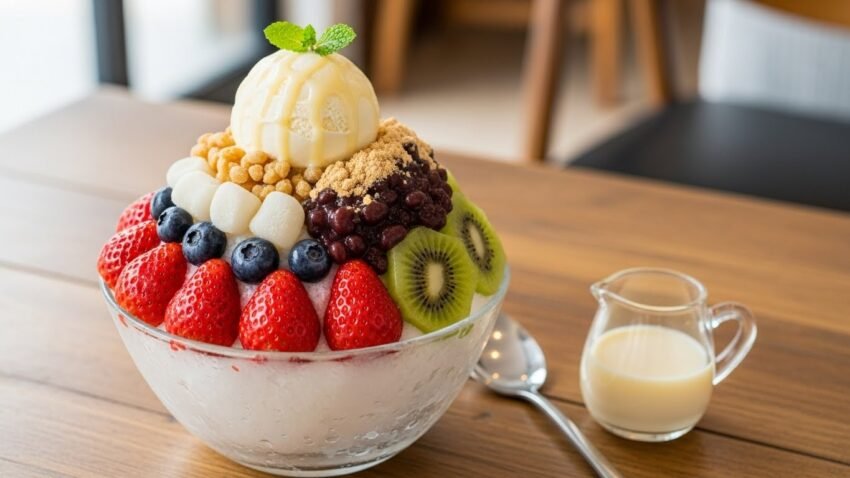
Bingsoo (sometimes spelled “bingsu”) is a traditional Korean frozen dessert made with very fine shaved ice. The texture is smooth and soft, like snow. It’s not like the crunchy shaved ice you might know from snow cones. Instead, bingsoo melts in your mouth. The shaved ice is usually made with milk or a milk-based mix, so it tastes creamy even without toppings. After adding the ice, people pile on a variety of toppings—like chopped fruit, red beans, cereal flakes, jelly cubes, or matcha powder. Sweet sauces like chocolate, strawberry syrup, or condensed milk are also added on top. Bingsoo looks as good as it tastes. It’s often served in a big bowl, perfect for sharing with friends. It’s cold, tasty, and fun to eat. No wonder bingsoo has become a must-try dessert around the world.
A Brief History of Bingsoo
Let’s go back in time. Bingsoo has been around since Korea’s Joseon Dynasty, which was over 500 years ago! Back then, people would collect ice during winter and store it underground to keep it cool through the year. On hot days, they would shave that ice and eat it with fruit or a bit of red bean paste. That’s how bingsoo got its start. In the 20th century, more people gained access to freezers and ice machines. That’s when bingsoo became popular across Korea. Stores and cafés started making their own versions, each with fun new toppings. The classic “patbingsoo” (which includes sweet red beans) stayed popular for years. But now there are also modern flavors—like Oreo bingsoo, mango cheesecake bingsoo, and even coffee bingsoo. This dessert has grown from a royal treat to a global favorite. The story of bingsoo shows how simple ideas can become tasty traditions.
What Makes Bingsoo Different from Ice Cream?
Many people want to know: Isn’t bingsoo just Korean ice cream? Not quite! While both are cold and sweet, there are some big differences. Bingsoo is made from shaved ice, not churned cream. That means it’s lower in fat and has a lighter, airy texture. Traditional ice cream is thick and creamy, but bingsoo feels like snow that melts in your mouth. Another big difference is the toppings. Ice cream might have sprinkles or syrup, but bingsoo is all about layers of textures and flavors—like chewy mochi, soft cake, juicy fruits, and crunchy granola. Even the base is different. Many versions of bingsoo use milk ice instead of water ice, giving it a creamy taste without using ice cream. So if you want something cold, creamy, and refreshing—but not too heavy—bingsoo is a great choice.
Popular Bingsoo Flavors You’ll Love
One of the best things about bingsoo is that it comes in so many fun flavors. There’s something for everyone! A classic version is Patbingsoo, made with red beans, condensed milk, and rice cakes. If you’re a fruit fan, try Mango Bingsoo, topped with fresh mango chunks and mango syrup. Another favorite is Strawberry Bingsoo, perfect for those who love a sweet and tangy mix. Want something unique? Go for Matcha Bingsoo with green tea flavor, or Taro Bingsoo with purple yam ice. Love chocolate? There’s Choco Bingsoo full of brownie bites and chocolate syrup. And for a real treat, try Cheesecake Bingsoo, which comes topped with cubes of soft cheesecake. Cafés even serve Oreo Bingsoo, Coffee Bingsoo, or Nutella Bingsoo. Whether you like fruity, milky, or rich flavors, bingsoo always has something exciting to offer.
Healthier Dessert Option? Bingsoo Might Be It
Did you know bingsoo can be a healthier dessert compared to ice cream or cakes? While it still has sweet toppings, the base is often low in fat. That’s because the main ingredient is shaved ice or milk ice—not heavy cream or butter. If you go light on the syrup or condensed milk and stick with fruits, bingsoo can actually be refreshing and lower in calories. Many fruit-based versions are packed with vitamins, thanks to mango, strawberries, or bananas. Some shops even offer low-sugar toppings or use non-dairy milk for those with allergies. Of course, not all bingsoo is healthy—chocolate or cheesecake toppings can add a lot of sugar. But if you customize it yourself or order a fruity version, you can enjoy guilt-free sweetness. That’s part of what makes bingsoo such a smart dessert choice.
Where to Try Bingsoo Near You
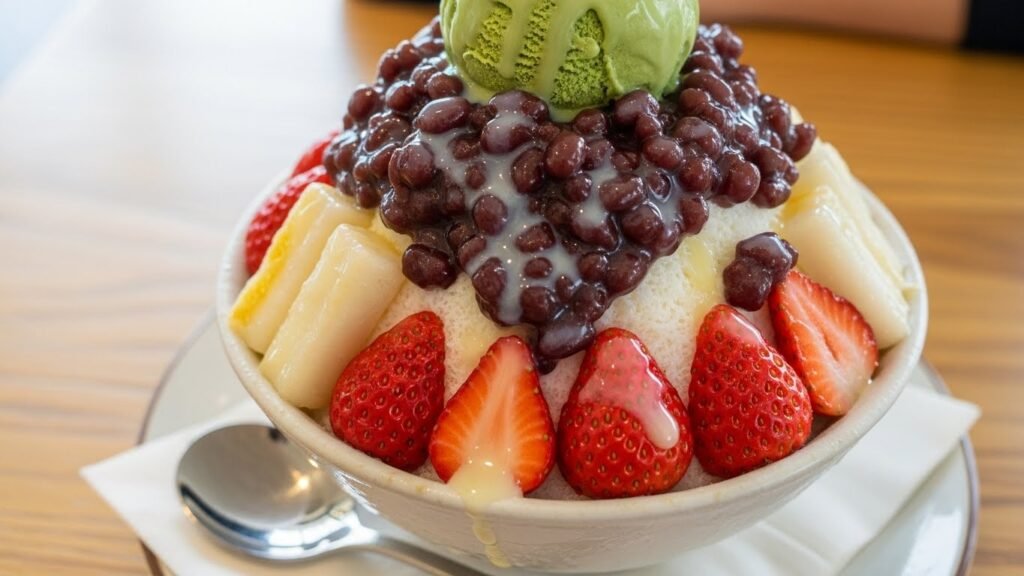
Thanks to its growing popularity, you can now find bingsoo outside of Korea too. Many Korean cafés around the world have bingsoo on their menus. You’ll find it in big cities, near Asian neighborhoods, or in K-food restaurants. Places like Seoul Tofu House, Sulbing Café (a famous Korean dessert chain), and local Korean bakeries often have different flavors to try. In the U.S., Canada, Australia, and other countries with Korean communities, bingsoo is popping up everywhere. Even fusion dessert shops have started creating their own twist on it—like Thai tea bingsoo or bubble tea bingsoo! If you’re not sure where to look, try apps like Yelp or Google Maps and search for “bingsoo near me.” Just reading the reviews and seeing photos of that snowy goodness will make your mouth water. Finding your first bowl of bingsoo is totally worth the hunt.
How to Make Bingsoo at Home
Can’t find a Korean cafe near you? Don’t worry—you can make bingsoo at home! First, you’ll need a way to shave ice. A snow cone machine, ice shaver, or food processor can do the trick. For milk ice, freeze sweetened milk in ice cube trays and then shave it. Place your shaved ice in a bowl, and now the fun begins—toppings time! Add chopped fruits like strawberries, kiwi, or banana. Drizzle sweetened condensed milk or chocolate syrup. Sprinkle cereal flakes, crushed cookies, or even jelly bites. Want to go classic? Add red beans and chewy rice cakes. You can even get creative with ingredients you already have in your fridge or pantry. Just remember: Light ice on the bottom, fun toppings on top! Making bingsoo at home is a fun weekend activity, especially with kids or friends. Every bowl is a new creation!
Bingsoo vs. Kakigori vs. Baobing: What’s the Difference?
Many Asian countries have shaved ice desserts, but they’re all a little different. Let’s compare them. Bingsoo is Korean, made with soft shaved milk ice and layered toppings like red beans, mochi, and fruits. Kakigori is the Japanese version. It’s usually made from plain ice and flavored with syrups like matcha or strawberry. Kakigori is light and often comes with a scoop of ice cream on top. Baobing is Taiwanese shaved ice, and it’s known for heaps of toppings like grass jelly, taro balls, and sweet beans. The texture of Baobing ice is sometimes fluffier than Kakigori but not as creamy as Bingsoo. Each one is cold, delicious, and fun to try. Still, many people say bingsoo stands out for its creamy base and rich toppings. If you love trying desserts from different countries, compare them and find your favorite!
Bingsoo in K-Dramas and Korean Pop Culture
If you’ve watched K-dramas or follow K-pop stars, you’ve probably seen bingsoo make an appearance. It’s a favorite summer treat in South Korea, often shown in cafe scenes, romantic moments, or group hangouts. Some stars even post their favorite bingsoo flavors on social media. For example, popular idols like BTS or BLACKPINK have talked about their go-to bingsoo picks during variety shows. In dramas, characters might eat bingsoo on a hot day or go on a casual dessert date. Fans love grabbing the same treats their favorite stars enjoy. Bingsoo is more than food in South Korea—it’s part of daily life and pop culture. Even popular food shows often explore new cafes that serve unique bingsoo creations. So next time you watch a Korean drama and someone’s smiling over a snow bowl with fruit, you’ll know—it’s that wonderful treat called bingsoo!
Bingsoo for Every Season
You might think bingsoo is just for summer—but guess what? People enjoy it all year round! In Korea, many high-end cafes serve warm drinks alongside cold bingsoo, even during winter months. That mix of hot and cold makes for a fun contrast. During winter, shops often offer seasonal bingsoo flavors like Christmas bingsoo with peppermint, marshmallows, or chocolate trees. In autumn, you might find sweet potato or injeolmi (roasted rice powder) bingsoo. Spring brings in floral themes like cherry blossom bingsoo or versions topped with jelly flowers. This shows that bingsoo isn’t just a seasonal dessert—it can be enjoyed anytime. You can even pair it with other foods, like waffles or mochi balls, to create a complete dessert platter. Thanks to its versatility, you can customize bingsoo to match the weather or your mood.
Fun Bingsoo Toppings You Should Try
One of the coolest things about bingsoo is how customizable the toppings are. Want yours fruity? Add fresh mango, kiwi, or strawberries. Prefer a fun crunch? Try cereal flakes, cornflakes, or granola. Love chewy bites? Add boba pearls, jelly cubes, or mochi. Want something rich? Top with brownie bites, cheesecake chunks, or chocolate syrup. You can also sprinkle matcha powder, Oreo crumbs, or almond slices. Some special versions even come with ice cream, pudding, or tiramisu toppings! If you’re feeling creative, mix sweet and salty—like caramel popcorn or pretzels. Whatever you like, bingsoo can handle it. The whole point is to build a bowl that makes you smile. Some shops even let you watch them make it so you can customize it live. That’s what makes bingsoo so exciting. Every bowl is different, and every mix is a surprise!
FAQs
1. What exactly is bingsoo?
Bingsoo is a Korean dessert made with fine shaved ice (usually milk ice) and topped with sweets like fruits, syrup, and jelly.
2. Is bingsoo the same as a snow cone?
No. Bingsoo ice is much softer and creamier than the crunchy ice used in snow cones.
3. Does every bingsoo have red beans?
Not anymore! While traditional bingsoo has sweet red beans, modern versions offer all kinds of toppings.
4. Can I make bingsoo without a special ice machine?
Yes! You can use a blender or food processor with frozen milk or water ice at home.
5. Is bingsoo safe for people with dairy allergies?
Some bingsoo uses dairy milk, but many shops offer non-dairy or plant-based options.
6. Where can I find bingsoo outside of Korea?
Look for Korean dessert cafés, Asian restaurants, or local listings in cities with Korean communities.
Conclusion
Bingsoo is more than just a dessert. It’s an experience—a mix of colors, textures, and flavors all in one bowl. From its snowy milk ice to its exciting toppings, bingsoo brings joy with every bite. It’s a treat that can be simple or fancy, traditional or trendy. Whether you eat it at a stylish Korean café or make it in your own kitchen, bingsoo always feels like something special. It’s great for sharing, fun to post on social media, and totally satisfying on a hot day—or even a cold one. So if you’re looking for a delicious new dessert that’s cool, creative, and totally customizable, give bingsoo a try. You just might find your new favorite frozen treat!