Table of Contents
If you love trying authentic Mexican food, then you’ve got to know about corundas. These tasty, triangle-shaped tamales are not your average tamales. They come from the beautiful state of Michoacán, Mexico, and have a deep connection to the region’s culture and traditions. In fact, corundas are known for their unique shape, simple ingredients, and the special way they’re wrapped in corn leaves instead of the usual corn husks. Just by looking at them, you can tell they’re something special. But once you taste one, you’ll see why so many people love this traditional dish. Throughout this guide, we’ll explore everything you need to know: what corundas are, how they’re made, where they came from, how to enjoy them, and even how to make them at home. Whether you’re new to Mexican food or just want to learn more about this regional treat, this complete guide to corundas is here to satisfy your curiosity—and maybe make you a little hungry too.
What Are Corundas?
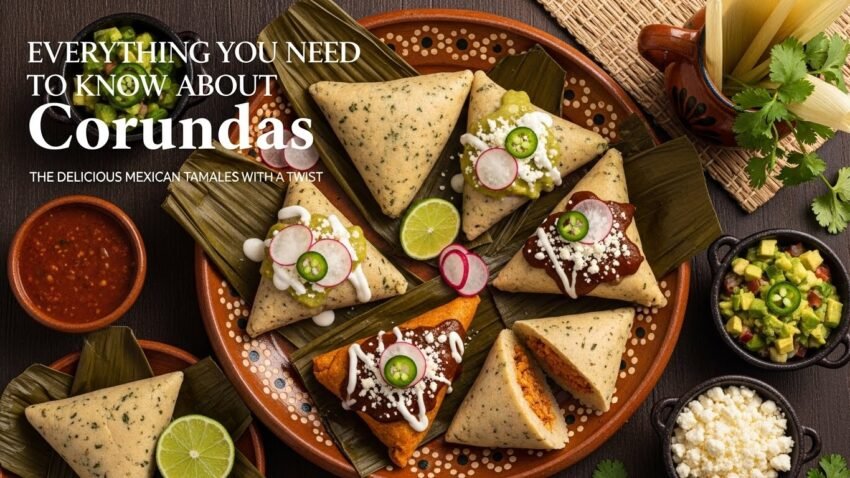
Corundas are a type of tamal (the singular for tamales), but they have their own special style. While many tamales are made with fillings like pork, chicken, or cheese, corundas are usually made of just masa, which is corn dough. They often don’t have fillings at all. But don’t worry—they’re still very flavorful! What sets them apart even more is their shape. Instead of being long and wrapped in corn husks, corundas are often formed into triangles or other geometric shapes and wrapped in fresh green corn leaves. These leaves give them a soft, earthy flavor that you won’t find in other tamales. Sometimes they’re steamed with cheese, cream, or chile on top as a finishing touch. Corundas are soft, warm, and delicious—perfect as a snack, a meal, or a side dish.
Where Do Corundas Come From?
Corundas are a traditional food from Michoacán, a state in western Mexico known for its rich culture, ancient traditions, and mouth-watering cuisine. The dish has indigenous Purépecha roots, which means it’s been passed down for many generations. It’s often prepared during festivals, holidays, or family gatherings. Making corundas is seen as a special activity, usually done with care and respect for tradition. Over time, the recipe has spread to other parts of Mexico and the United States, especially in places with large Mexican communities. Still, corundas remain a symbol of Michoacán’s identity, and many people from that region proudly carry on the tradition of making and sharing them. If you ever visit Michoacán, you’re almost sure to see corundas being sold at markets, festivals, and local food stands.
What Makes Corundas Different from Regular Tamales?
The biggest difference between corundas and regular tamales is how they’re made and shaped. Traditional tamales are rolled in dried corn husks and filled with meat or other goodies. They’re usually long and look like little wrapped packages. But corundas use fresh corn leaves, which gives them a very fresh aroma and taste. Instead of a tube or cylinder shape, corundas are folded into triangles or multi-pointed star shapes. Also, corundas usually do not have a filling, so the main focus is the masa itself and the flavors added after cooking. You can eat corundas with sour cream, cheese, salsa, or even enjoy them plain. Their soft and fluffy texture makes them perfect to pair with other dishes like atole, a thick Mexican drink made with corn. If you like tamales, you’ll enjoy this unique version with its own style and story.
How Are Corundas Traditionally Made?
Making corundas the traditional way is a labor of love. It starts with preparing the masa, which is corn dough made from nixtamalized corn (corn cooked with lime and ground). Clean green corn leaves are picked and soaked to make them soft and bendable. Then, small portions of masa are shaped and wrapped into triangles or a multi-fold design using the leaves. Folding the leaves takes skill and practice, so many older cooks teach new generations how to do it just right. Once all the corundas are wrapped, they are placed upright in a large steamer pot, known as a tamalera, and then steamed for about an hour until fully cooked. They’re served hot and often topped with Mexican crema, crumbled cheese, or spicy red salsa. Some families also enjoy them with pork ribs in green sauce. Fresh, flavorful, and made with care—that’s what makes real corundas stand out.
What’s Inside a Corunda?
In most traditional recipes, corundas are made with plain masa and no filling at all. That’s right—there’s nothing in the middle! But even if they’re simple, don’t let that fool you. The real flavor comes from the fresh corn leaves, the quality of the masa, and the toppings added afterward. Still, modern cooks sometimes like to put a twist on the recipe. Some versions include cheese, diced vegetables, or even small amounts of meats. These versions are not as common, but they’re becoming a new way to enjoy corundas. Whether filled or plain, corundas are soft, warm, and perfect for soaking up sauces. Their gentle corn flavor lets the toppings shine. That’s why pairing corundas with salsas, crema, or queso fresco is so popular—it creates a dish that’s both comforting and exciting.
Toppings That Go Great with Corundas
While corundas are yummy on their own, they often taste even better with the right toppings. One of the most common toppings is Mexican sour cream, also known as crema. Its smooth and sour flavor balances the warm, earthy corn masa. Another favorite is crumbled queso fresco, a soft, salty cheese that melts slightly and adds rich taste. Some people go bold with spicy red or green salsa, which can be mild or fiery depending on your spice level. Corundas are also great served with refried beans, pork in green sauce, or even mole. The choice is yours! These toppings look beautiful, too. Imagine a warm corunda, fresh from the steamer, with melting cheese and cream dripping down the sides—it’s comfort food at its best. Eating corundas with toppings is part of the fun and lets you enjoy more flavors in one bite.
When Are Corundas Usually Served?
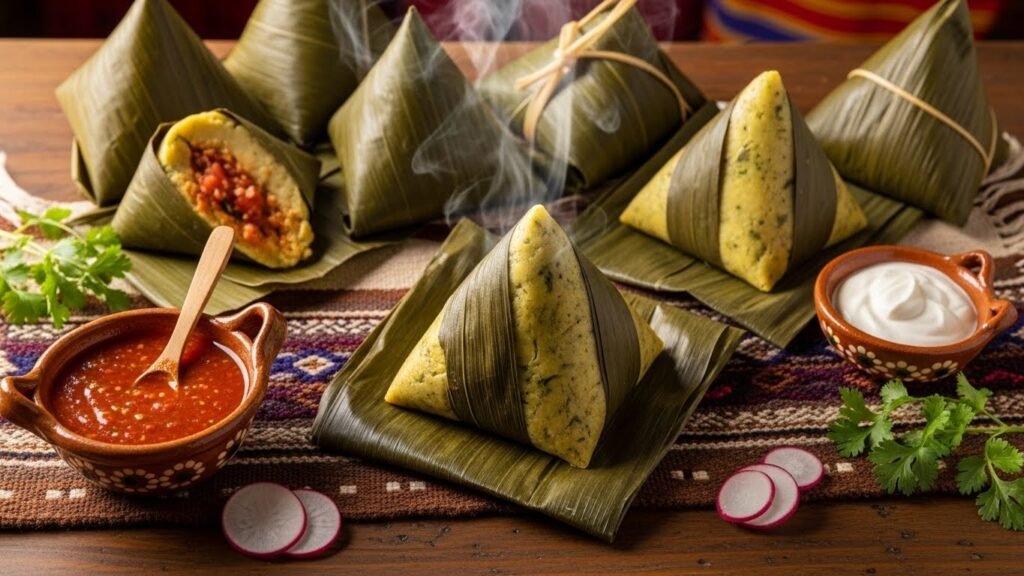
Corundas are popular during many special occasions in Michoacán and other parts of Mexico. They often appear at family gatherings, festivals, weddings, and religious celebrations. One of the most common times corundas are served is during Day of the Dead (Día de los Muertos), when families honor loved ones who have passed away. People place traditional foods like corundas on ofrendas, or altars, as an offering. You might also find corundas during holidays like Christmas, Independence Day, or homecoming celebrations when families reunite with relatives from far away. Since corundas don’t spoil easily, they’re also eaten on road trips or taken to community events. Making them takes time and teamwork, which is why they’re usually made in big batches and shared. Eating corundas becomes more than just a meal—it’s a way to celebrate culture and bring people together.
How to Eat Corundas the Right Way
There’s no wrong way to enjoy corundas, but there is a traditional style. First, you unwrap the cooked corunda from its corn leaf, just like opening a gift. Then, place it on a plate and add your favorite toppings. You can use a spoon or fork, though some people enjoy eating them with their hands. If you’re eating corundas with a stew or saucy topping like pork in green salsa, make sure to soak the corunda in the sauce to absorb the flavor. For simpler toppings like cream or cheese, just drizzle or sprinkle them on top. Some people enjoy a warm drink like atole or Mexican hot chocolate on the side. The soft corunda, warm sauce, and cool dairy toppings make every bite special. So grab a plate, open one up, and get ready—corundas are made to be enjoyed slowly and happily.
Can You Make Modern Versions of Corundas?
Absolutely! While traditional corundas are delicious, modern versions are a fun way to get creative. Some cooks add ingredients like cheese, poblano peppers, or chorizo inside the masa for a bold twist. Vegans might mix in mushrooms or black beans with dairy-free toppings. You can even find sweet versions now—like corundas with cinnamon sugar, raisins, or chocolate chips added into the masa. These are especially popular for kids or dessert lovers. Just remember to keep the masa soft and airy, and don’t overfill your corunda—it should still keep its ^ triangle or star shape. You can still steam them the traditional way, or try new cooking methods like pressure cookers or electric steamers. Whether you stick to tradition or change it up, making corundas your own is part of the joy.
How to Store and Reheat Corundas
Once you’ve steamed your corundas, you can store leftovers easily. Keep them in the fridge wrapped in their corn leaves or placed in a sealed container. They’ll stay fresh for about 3 to 4 days. To reheat, you can put them in a steamer for about 10–15 minutes until warm throughout. If you’re in a hurry, the microwave works too. Just sprinkle a little water on top, cover with a damp paper towel, and heat in short bursts until hot. You can also freeze corundas. Just wrap them in freezer bags, and they’ll last for up to two months. When ready to eat, reheat from frozen by steaming or microwaving with extra care. Having leftover corundas is never a bad thing—just pull one out when you’re hungry, add your toppings, and enjoy a mini meal full of tradition and flavor.
FAQs
1. What are corundas made of?
Corundas are made with corn masa and wrapped in green corn leaves. They are usually plain with no filling.
2. Are corundas only from Michoacán?
Yes, corundas are a food tradition from Michoacán, though people in other areas now enjoy making and eating them.
3. Can you freeze corundas?
Yes, you can freeze cooked corundas for up to two months. Reheat by steaming or microwaving when ready.
4. Do corundas always come without fillings?
Traditional corundas are plain, but modern versions may include fillings like cheese, beans, or vegetables.
5. What can you serve with corundas?
Corundas go great with sour cream, cheese, salsa, refried beans, or saucy meats like pork in green salsa.
6. How many corundas should I serve per person?
Usually about two to three corundas per person is enough, especially if you’re serving them as a main dish with toppings.
Conclusion
Corundas are not just food—they are tradition, culture, and comfort all wrapped in a little steamed triangle. Their unique shape, deep history from Michoacán, and delicious simplicity make them a truly special dish. Whether eaten plain, topped with cheese and salsa, or dipped into a hearty stew, they bring people together and celebrate home-style Mexican cooking. They’re easy to love, fun to make, and full of warm flavor. If you haven’t tried them yet, now’s the perfect time to explore this traditional delight. Next time you’re looking for a meal that’s both cozy and culturally rich, reach for corundas. They offer a bite of heritage with every bite.