Table of Contents
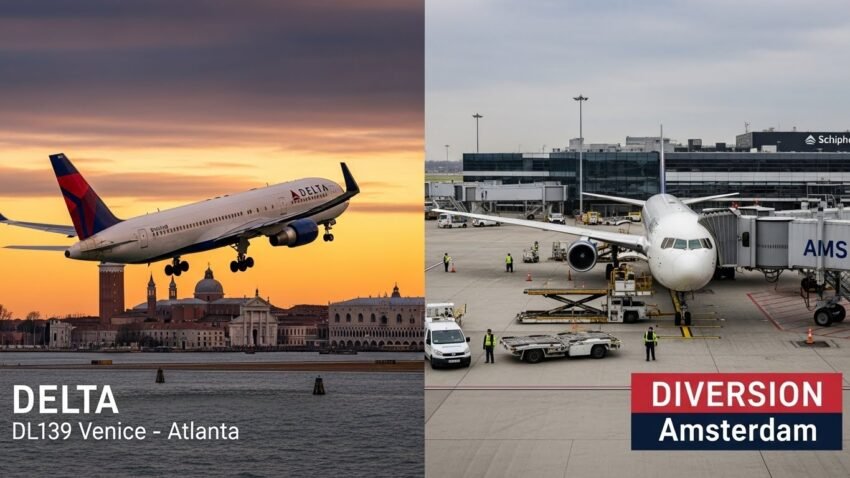
Flying can be exciting, but sometimes, things don’t go exactly as planned. That’s what happened during the Delta DL139 Venice Atlanta diversion Amsterdam incident. This unexpected flight situation involved a Delta Air Lines flight that was traveling from Venice, Italy, to Atlanta, Georgia. Instead of reaching its original destination, the flight was rerouted and landed in Amsterdam. Passengers were surprised. Aviation watchers were curious. And many people wanted to know: what caused this? In this detailed and easy-to-follow guide, we’ll explain everything—from flight details and what went wrong to how passengers were helped and what Delta did next. Whether you’re a frequent flyer, aviation fan, or just someone who saw the headline, we’ve got all the facts behind the Delta DL139 Venice Atlanta diversion Amsterdam flight event.
What Was Delta DL139’s Original Route?
The Delta DL139 flight usually travels from Venice Marco Polo Airport (VCE) in Italy to Hartsfield–Jackson Atlanta International Airport (ATL) in the United States. This route is part of Delta’s regular long-haul transatlantic service and is known for connecting Europe with one of Delta’s main hubs. The flight is scheduled to take about 10 to 11 hours and typically uses a wide-body aircraft, such as a Boeing 767 or Airbus A330. These planes are well-equipped for such long trips and offer comfort to international travelers. The goal for this journey was clear and direct—but as we learned in the Delta DL139 Venice Atlanta diversion Amsterdam case, the sky sometimes has other plans.
When Did the Diversion Happen?
The Delta DL139 Venice Atlanta diversion Amsterdam event occurred mid-flight, just a few hours into the transatlantic journey. The pilot received information about an issue onboard that needed to be dealt with right away. It wasn’t safe to continue across the ocean all the way to Atlanta. So instead of risking further problems flying over water with limited emergency landing options, Delta made the decision to divert. The closest and most appropriate choice was Amsterdam Schiphol Airport (AMS). This hub not only had the equipment and runway size to handle the large plane, but it also had Delta and KLM ground staff available to assist. The rerouting took the aircraft north instead of west, marking the start of a new, unexpected flight path.
Why Was Amsterdam Chosen as the Diversion Point?
Not all airports are created equal when it comes to emergency diversions. In the case of the Delta DL139 Venice Atlanta diversion Amsterdam, choosing Amsterdam made perfect sense. Why? First, Amsterdam is close enough to Venice that it could be reached quickly and safely, avoiding long overwater travel. Second, it’s a major European hub with advanced medical, repair, and security facilities. Third, Delta partners closely with KLM Royal Dutch Airlines, which means there are already staff, logistics, and passenger support systems in place at Schiphol. This alliance gave Delta the confidence that they could handle a sudden landing and passenger rerouting through Amsterdam faster and better than at a smaller airport. Most importantly, Amsterdam had the right setup to inspect the aircraft and take care of ongoing needs.
What Caused the Delta DL139 Diversion?
While Delta did not immediately publish all internal technical details, initial reports suggest that the Delta DL139 Venice Atlanta diversion Amsterdam was related to a technical or mechanical issue. These types of problems can range from minor sensor errors to more noticeable concerns with cabin pressure, hydraulics, fuel systems, or even cockpit warning signals. Pilots are trained to take no chances when something unusual shows up, especially on long-haul international flights. Continuing all the way across the Atlantic with a known or unknown issue would be unsafe. Instead, they request diversion and make a controlled landing where the problem can be addressed safely. This is exactly what happened with DL139, and the protocol worked exactly as it should: safely.
How Did the Diversion Affect Passengers?
The unexpected Delta DL139 Venice Atlanta diversion Amsterdam came as a surprise for everyone onboard. Passengers expected to be home—or at least in Atlanta—within 10 hours, but instead landed in the Netherlands. For some, this meant missing connecting flights, delayed plans, or needing hotel stays. Delta, however, was quick to assist. Ground staff at Amsterdam provided re-bookings, food vouchers, hotels if needed, and clear instructions. Many passengers were rebooked on flights going to Atlanta via other U.S. cities like JFK or Boston, or were placed on the next available direct Delta or KLM flight out of Amsterdam. While the experience surely brought stress and confusion in the moment, most travelers understood that the diversion was for safety—and appreciated the attention paid to their well-being.
How Often Do Flights Like Delta DL139 Get Diverted?
Flight diversions like the Delta DL139 Venice Atlanta diversion Amsterdam don’t happen every day—but they’re not as rare as you might think, either. Airlines all over the world deal with occasional in-flight problems like passenger health emergencies, cabin pressure issues, engine warnings, weather conditions, or unexpected mechanical alerts. In most cases, the plane still lands safely after being inspected. Pilots and crew are trained for this. What’s important is that aviation is highly regulated, and passenger safety is always the top concern. When problems are handled responsibly, diversions feel like minor disruptions—not disasters. And that’s exactly what DL139 proved.
What Happens to a Plane After It’s Diverted?
Once the aircraft involved in the Delta DL139 Venice Atlanta diversion Amsterdam landed at Amsterdam Schiphol, it would have been removed from service immediately. Aircraft engineers and technicians would inspect the plane thoroughly. If the issue could be fixed at AMS, the plane might return to service after a few hours or the next day. If bigger repairs were needed, the aircraft could be flown to Delta’s maintenance facility in the U.S., empty of passengers. Sometimes, the airline sends a “rescue flight” (another aircraft) to continue the original journey. This ensures safety while minimizing delays. It’s likely that Delta made decisions based on the time, passenger comfort, and aircraft readiness from their Amsterdam hub.
Did Passengers Receive Compensation?
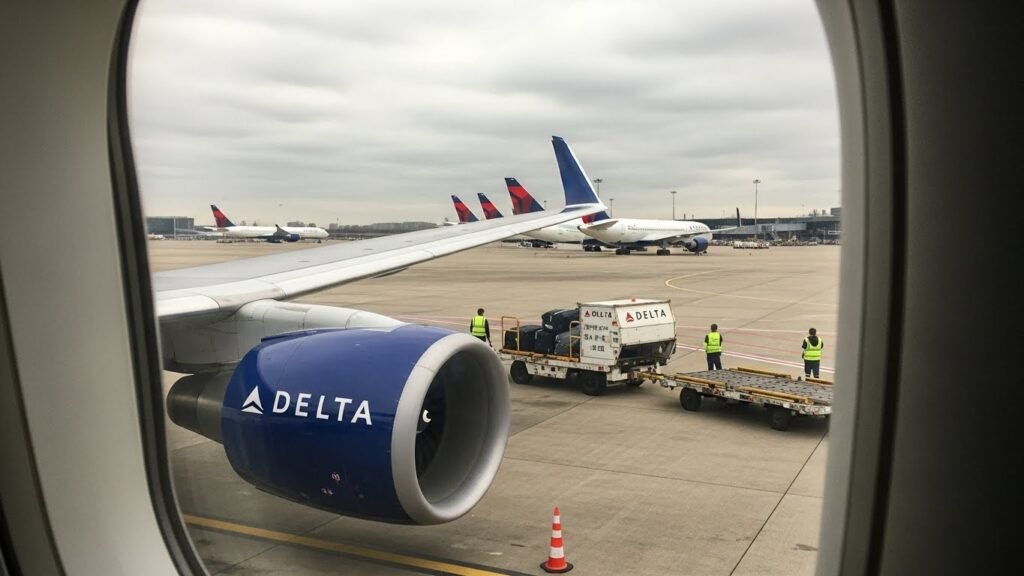
Depending on the reason behind the Delta DL139 Venice Atlanta diversion Amsterdam, some passengers may be eligible for compensation. If the cause was something within the airline’s control (like mechanical failure), European laws—especially EU Regulation EC 261—could apply. Since the flight left from Venice, which is part of the EU zone, passengers delayed by more than three hours due to airline fault may be entitled to €300–€600 in compensation. Delta may also offer SkyMiles, travel credits, or vouchers as a gesture of goodwill, even in situations not covered by compensation rules. Each case is different, but Delta is known for offering responsive customer service after flight disruptions.
How Do Diversions Impact Airline Schedules?
One problem with any major diversion—like the Delta DL139 Venice Atlanta diversion Amsterdam—is that it creates a ripple effect across the airline’s network. The original flight can no longer serve its return route. Crews may run out of duty time. Connecting flights might have empty seats or confused passengers. Airports like Atlanta may end up short one aircraft until things adjust again. Airlines must act fast. They reassign planes, swap crews, reroute luggage, and inform travelers using digital tools and airport agents. While some flights may experience longer wait times as airlines adjust, the impact is usually resolved within a day or two. Delta’s global team works around the clock to keep disruptions minimal.
What Can Travelers Learn from the DL139 Diversion?
The story of the Delta DL139 Venice Atlanta diversion Amsterdam teaches travelers a few key lessons. First, always stay flexible when flying. Even well-planned trips can change. Second, download your airline’s mobile app—it’s the fastest way to get updates, rebooking info, or compensation requests. Third, keeping a charger or power bank, snacks, and travel documents with you is smart. Finally, know that safety comes first. Diversions are not failures—they are signs that the airline is taking good care of passengers and equipment. You can’t control the sky, but you can prepare for the journey.
FAQs
1. What aircraft was operating Delta DL139 when it diverted?
Delta commonly uses wide-body aircraft like the A330 or Boeing 767 on this route. The specific model handles long-haul flights comfortably.
2. Why did Delta DL139 go to Amsterdam instead of going back to Venice?
Amsterdam offered better facilities, had Delta/KLM staff on site, and was safer than returning to Venice or flying further away.
3. Did anyone on the flight get hurt?
Reports did not indicate any injuries. The diversion was for technical or caution-based reasons related to aircraft safety.
4. Will Delta DL139 continue to operate in the future?
Yes, this route is a scheduled international service and continues normally, aside from this one diversion event.
5. Could this incident have been prevented?
Mechanical and equipment issues can’t always be predicted. Pilots made the right call, showing the safety system works.
6. Were passengers compensated?
Some passengers could be eligible for EU-based compensation, especially if delays were longer than three hours and airline-related.
Conclusion
The Delta DL139 Venice Atlanta diversion Amsterdam is more than just a headline. It’s a reminder of how modern air travel mixes high-tech safety with real human care. When something doesn’t go as planned, the systems in place protect everyone. Passengers on DL139 were surprised but ultimately kept safe and supported. Diversions are rare but necessary in certain situations. By understanding what happened, travelers can feel more confident in the flying process—even when things take a detour. And thanks to crews, ground staff, and support teams at places like Amsterdam, a difficult day in the sky can still land on a helpful note.