Table of Contents
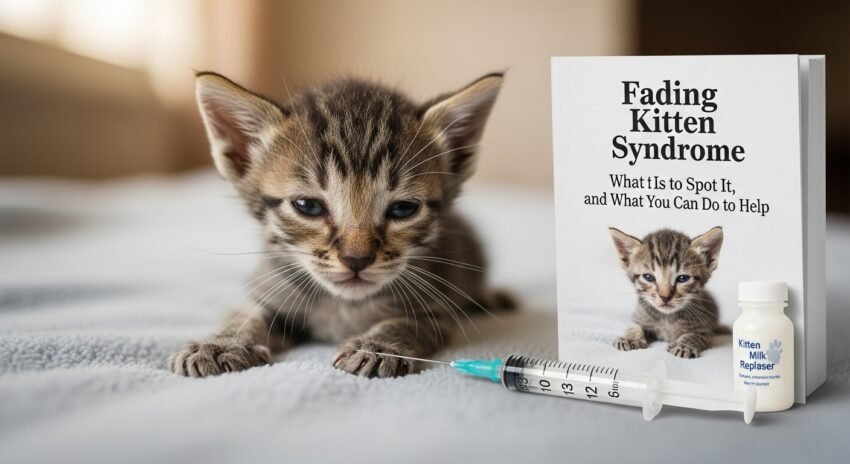
Bringing a newborn kitten into your life is an exciting and heartwarming experience. But sometimes, something goes wrong—and the kitten doesn’t thrive like it should. This heartbreaking condition is called fading kitten syndrome, and it’s one of the most critical challenges newborn kittens can face in the first few weeks of life. If you’ve ever seen a tiny kitten suddenly get weak, stop nursing, or become less active, you may have already witnessed fading kitten syndrome without realizing it. This guide is made to help you understand exactly what fading kitten syndrome is, what causes it, how to recognize the symptoms early, and what steps can be taken to save a kitten’s life. We’ll keep things simple, kind, and human—because every little life is precious, and knowledge can often make the difference between life and loss.
What Is Fading Kitten Syndrome?
Fading kitten syndrome is not a single disease but a term used to describe a variety of problems that cause a young kitten to weaken and die—often with little warning. It affects newborn kittens between birth and eight weeks of age, especially those under four weeks old. These kittens may seem healthy one moment, then suddenly grow weaker, stop eating, and become unresponsive. Without fast help, fading kitten syndrome can lead to death within hours. The causes vary and can include infection, low blood sugar, problems nursing, cold body temperature, or even birth defects. This condition can show up in both foster homes and with kittens born to mother cats in shelters or homes.
Why Does Fading Kitten Syndrome Happen?
There are many reasons fading kitten syndrome can appear, and often, it’s from more than one issue at once. Sometimes a kitten doesn’t get enough nutrition right after birth, or it may fall behind its littermates and become too weak to nurse. Some kittens are born with undeveloped organs or heart conditions. Cold temperatures can make things worse by slowing down the kitten’s heart rate and digestion. Infections or parasites like fleas can also cause serious problems in newborns. Many rescue groups find fading kitten syndrome in litters from stray cats or weak mother cats who can’t nurse properly. Knowing these causes helps you step in fast before the kitten fades completely.
Signs and Symptoms of Fading Kitten Syndrome
Watch newborn kittens closely for early signs of trouble. Symptoms of fading kitten syndrome include quiet behavior, lack of suckling, cold skin, low energy, and weak cry. Healthy kittens should squirm, cry during feeding time, and wiggle when touched. If a kitten becomes limp, doesn’t react to touch, or isn’t gaining weight, those may be warning signs. A kitten with cold ears, dry gums, low temperature, or no interest in feeding may already be fading. Early signs are easy to miss, so always weigh kittens daily and compare their activity to healthy littermates.
The Importance of Body Temperature
Keeping kittens warm is one of the most important things you can do to prevent or help treat fading kitten syndrome. A kitten’s body temperature should be at least 99°F (37.2°C), but newborns can’t regulate their heat well, especially in the first two weeks. Chilling is a big danger and often the first factor in a fading kitten. Cold kittens don’t eat, and kittens who don’t eat can’t generate heat. It’s a dangerous cycle. Always use a soft heating pad or warm rice sock wrapped in a towel in the kitten’s bed. Never place a kitten directly on a heat source. Monitor their temperature with a pet-safe thermometer.
Nutrition and Feeding Issues
Newborn kittens need to feed every two to three hours. If the mother cat isn’t producing milk or isn’t able to care for the litter, you’ll need to hand feed with kitten formula. Never feed cow’s milk. Without good nutrition, kittens can crash fast, and this may lead to fading kitten syndrome. Bottle-feeding should be done slowly, while the kitten is warm and in a belly-down position. If feeding seems slow, forced, or if milk bubbles from the nose, it might indicate health problems. Some fading kittens simply don’t latch, and syringe-feeding or tube-feeding under vet supervision may be needed.
Common Health Complications Behind Fading Kitten Syndrome
Several health conditions can also lead to fading kitten syndrome. Infections like feline herpes virus, calicivirus, or bacterial infections passed from the mother cat can cause rapid decline. Severe flea infestations, anemia, internal parasites, or diarrhea may quickly weaken a kitten. Sometimes, genetic problems like cleft palate or heart defects make survival difficult. In rescue situations, many kittens arrive underweight, dehydrated, and already weak. These babies require vet care, fluids, medications, and intensive support to survive. If you suspect infection, always contact a veterinarian immediately.
Can Fading Kitten Syndrome Be Cured?
Fading kitten syndrome is very serious—but some kittens can recover with fast care. The key is quick response. If you catch symptoms early, warming the kitten, offering fluids, and getting veterinary help may save the kitten’s life. In some cases, emergency feeding, subcutaneous (under-skin) fluids, antibiotics, and warming tools are needed all at once. Sadly, even with everything done correctly, some babies don’t survive. It is not anyone’s fault. Sometimes the causes run too deep, like birth defects that can’t be fixed. But doing your best and acting quickly gives the kitten the highest chance of survival.
How to Help a Fading Kitten at Home
If you suspect fading kitten syndrome, take action right away. First, check the kitten’s warmth. Place it in a soft blanket and gently warm it using a heating pad or hot water bottle wrapped in a towel. Once the kitten feels warmer, you can try offering warmed kitten formula. If the kitten is dehydrated, a vet may need to give fluids under the skin. If you cannot reach a vet quickly, you can offer a small drop of sugar water or Karo syrup in the mouth to boost blood sugar. Do not feed a cold kitten—it must be warm first. Keep the kitten isolated from drafts, noise, and stress until it stabilizes.
How Vets Treat Fading Kitten Syndrome
Veterinarians have several tools to fight fading kitten syndrome. After checking the kitten’s vitals, they may give fluids for dehydration, oxygen for breathing trouble, and medications for infection or diarrhea. Some kittens may need blood sugar support or anti-nausea medicine. In serious cases, vets might keep the kitten in a hospital setting with heated incubators and constant care. They might also test for viruses or parasites to find the cause. If caught early, the vet’s treatment can save lives. Always contact a clinic if you fear a kitten is fading.
Caring for the Whole Litter
When one kitten fades, others in the litter may be at risk too. Watch all kittens closely. Are they warm, eating, and gaining weight daily? Use a food scale to monitor growth. Healthy kittens should gain about 10–15 grams per day. If one kitten seems weaker or lighter, give it extra feeding time or supplement as needed. Try supporting the mother cat too with quality food, hydration, and a calm space so she stays healthy and can care for her babies. Dealing with fading kitten syndrome is hard, but the more you observe, the more you can prevent future stress for the entire litter.
When to Call a Vet Vs. When to Monitor
If a kitten is cold, limp, crying nonstop, refusing to eat, or breathing with difficulty, call a vet right away. Don’t wait to see if it gets better. With fading kitten syndrome, time is critical. However, if the kitten is still active but gaining slowly, you may monitor at home with charts, temperature checks, and more frequent feedings. Always trust your gut. If something feels off, it’s better to call and ask. Many vet clinics are happy to give advice even without a full appointment. Better safe than sorry when saving a life this small.
How to Prevent Fading Kitten Syndrome
Not all fading can be stopped, but you can reduce risk. First, keep the environment warm, clean, and quiet. Provide the mom cat with plenty of food and water. Use a heating pad under one side of the nesting area. Use gloves or hand sanitizer if moving from litter to litter. Always weigh kittens daily in the same way, at the same time. Handle them gently. Watch for early signs of weakness, coldness, or weight loss. Good hygiene, early care, and close attention can make a huge difference for newborns.
Emotional Impact of Fading Kitten Syndrome
Losing a kitten is heartbreaking. You may feel like you didn’t do enough, especially if it happens quickly. Know this—fading kitten syndrome can be sudden and impossible to stop, even for trained vets. If you’re a foster, a pet owner, or a rescue volunteer, give yourself grace. Ask for support, talk to others in rescue, and take time to grieve. Every kitten you love, even for a short time, counts. Their lives matter, and your care meant everything to them.
FAQs
1. What age are kittens most at risk of fading kitten syndrome?
Kittens under 4 weeks old are at the highest risk, especially in their first two weeks of life.
2. Can you stop fading kitten syndrome at home?
In early stages, yes. Warmth, fluids, sugar, and vet care may help. Fast action is critical.
3. What are signs my kitten is fading?
Common signs include lack of energy, cold body, weak cry, not eating, limpness, and low weight.
4. Can the mother cat cause fading kitten syndrome?
Sometimes. If she has an infection, low milk supply, or rejects a kitten, that kitten is more at risk.
5. How many kittens survive fading kitten syndrome?
With immediate care, some kittens do recover. Sadly, survival isn’t guaranteed, even with veterinary help.
6. Should I separate a fading kitten from the litter?
Keep it close if safe, but give added warmth, feeding, and attention. Isolation helps with intense care but causes stress if done too long.
Final Thoughts
Fading kitten syndrome is painful, but knowledge brings hope. When you learn the signs and act fast, you give a kitten its best chance at life. Warmth, food, love, and quick vet help often make the difference. Whether you’re a foster parent, a kitten rescuer, or just someone who cares deeply, your efforts matter more than you know. Yes, some kittens won’t make it—but many have survived because someone like you paid attention and stepped up when it counted. Trust your heart, ask questions, stay observant, and never give up. Every tiny heartbeat is a life worth fighting for.