Table of Contents
Have you ever heard of neurocysticercosisd and thought it sounded scary or hard to understand? Don’t worry—you’re not alone. The name may be long and tricky, but this guide will explain everything in a way that’s easy to follow. Neurocysticercosisd is a disease that affects the brain, and it’s caused by something very small—a parasite. Just like colds come from viruses, this illness comes from a tiny worm that can sneak into your body and cause problems, especially in places with poor hygiene. But with the right knowledge, it can be prevented and treated, and that’s what makes learning about it so important. By the end of this guide, you’ll know what neurocysticercosisd is, how it spreads, signs to watch for, and most importantly—how to stay safe. Let’s dive into the world of this unusual but important health topic in a friendly, step-by-step way.
What Is Neurocysticercosisd?
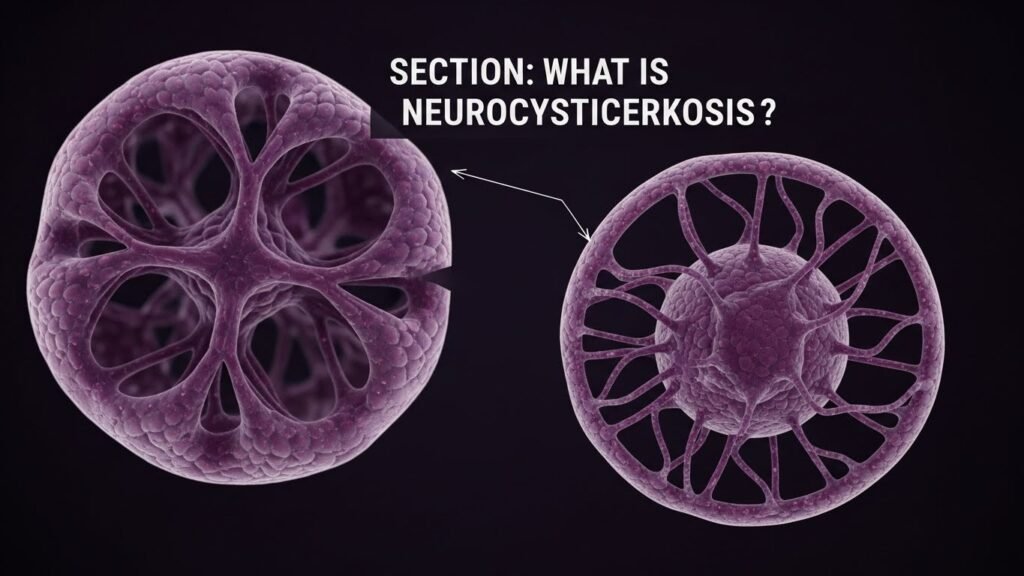
Neurocysticercosisd is a condition that happens when a person’s brain gets infected by a parasite called Taenia solium. It’s also known as the pork tapeworm. Most of the time, people get this parasite through food or water that’s not clean. The worm starts in the stomach, but sometimes it travels to the brain and becomes very dangerous. When it reaches the brain, it forms cysts—small fluid-filled sacs—that can cause swelling, seizures, headaches, and other serious issues. Even though it sounds scary, neurocysticercosisd is treatable. Doctors can give medicine, and sometimes surgery is needed. The key is catching it early. This kind of sickness is more common in places where people don’t have clean water, good food safety, or proper toilets. So understanding how it’s spread can help stop it before it ever gets that far.
What Causes Neurocysticercosisd?
The main cause of neurocysticercosisd is swallowing the eggs of the pork tapeworm. These eggs come from infected human poop. Yes, it sounds gross, but this happens when people don’t wash their hands after using the bathroom, or when food and water get contaminated. A person doesn’t have to eat pork to get this disease. In fact, neurocysticercosisd often occurs when someone eats raw vegetables or drinks unclean water that has tiny tapeworm eggs in it. Once these eggs enter the digestive system, they hatch and travel through the body. Unfortunately, they sometimes end up in the brain. Once there, they turn into cysts and start causing trouble. This is why handwashing and clean food are so important. Simple habits can make a big difference in keeping this disease away.
How Neurocysticercosisd Affects the Brain
When the parasite reaches the brain, it forms a fluid-filled cyst that can press on important parts of the brain. This leads to problems like seizures, confusion, trouble walking, or mood changes. These symptoms happen because the brain controls everything we do—from moving and thinking to feeling. The body doesn’t like having a worm on board, so it sends immune cells to fight it off. This causes swelling, and that’s when headaches and other problems begin. Even after the worm dies, the leftover cysts can still cause issues. People might get scar tissue in the brain, which can keep causing seizures. That’s why treatment needs to happen early. Understanding how neurocysticercosisd affects the brain helps explain why it’s so dangerous—and why prevention is even better than cure.
Symptoms of Neurocysticercosisd You Should Know
Recognizing the symptoms of neurocysticercosisd is important for getting help fast. One of the most common signs is seizures, especially in people who’ve never had one before. Other symptoms include headaches that don’t go away, feeling confused, or fainting. Some people may have trouble with balance, vision changes, or weakness in part of the body. Not everyone has the same symptoms because it depends on where the cyst is in the brain. In some cases, people don’t feel anything for months or years. That’s why it’s sometimes called a “silent” disease. But when symptoms do start, they can come quickly and be very serious. If you or someone you know has any of these signs, especially after traveling to certain areas, it’s best to see a doctor right away.
How Doctors Diagnose Neurocysticercosisd
Doctors can’t see tapeworms just by looking at someone. To diagnose neurocysticercosisd, they need to do special tests. First, they ask about symptoms, travel history, and where the person lives or has been. Then, they use brain scans like MRI or CT scans to look for cysts. These images help doctors see spots in the brain where cysts have formed. Blood tests can also help by finding antibodies that the body makes to fight the tapeworm. Sometimes, a doctor may do a spinal tap to check for signs of infection in the fluid around the brain. All of this helps make sure the diagnosis is correct. The sooner it’s found, the better the chances are for recovery. Early diagnosis can make a huge difference in how serious the condition becomes.
Treatment Options for Neurocysticercosisd
Good news—neurocysticercosisd can be treated! Doctors use medicine to kill the parasite and reduce the swelling. Two common drugs are albendazole and praziquantel. These help stop the parasite from growing or spreading. Anti-inflammatory drugs, like steroids, can help calm the swelling in the brain. If someone is having seizures, anti-seizure medicine is used to keep things under control. Some people need this medicine for several months. In rare cases, where a cyst causes serious pressure, surgery might be needed. Treatment depends on how many cysts are in the brain and how bad the symptoms are. It’s super important to take all the medicine exactly as the doctor says. Skipping doses or stopping early can make things worse. The overall goal is to kill the parasite, ease symptoms, and help the person feel normal again.
How to Prevent Neurocysticercosisd
Preventing neurocysticercosisd is easier than you might think. The number one step is washing your hands with soap and water, especially after going to the bathroom and before eating. Make sure food is washed well and cooked all the way through. Pork should always be cooked until it’s fully done. Never eat undercooked meat. Drink clean, safe water—boiling tap water if you’re unsure. In places where toilets are not common, it’s important to improve sanitation and hygiene. Teaching children and families about germs can also go a long way. People who travel to areas where neurocysticercosisd is common should be extra careful with what they eat and drink. Just a few small changes in daily habits can protect you and your family from a serious brain infection.
Where in the World is Neurocysticercosisd Common?
Neurocysticercosisd can happen almost anywhere, but it’s most common in parts of Latin America, Asia, and Africa. In places where there’s poor sanitation, the disease has a higher chance of spreading. This is because people and animals live close together, and food and water sometimes aren’t clean. In rural areas, pigs may roam freely and eat human waste, and when people eat pork from these pigs, they can get infected. Sadly, in many of these areas, access to healthcare is limited, which makes early diagnosis harder to get. Even in countries like the United States, people who travel or have lived in affected areas can bring the infection back with them. Health experts are working to educate people worldwide about safe practices to reduce the spread. Awareness truly is the first step in prevention.
Neurocysticercosisd in Children: What Parents Need to Know
Yes, children can get neurocysticercosisd too. It’s especially important for parents to know how to protect their kids, since children’s immune systems are still growing. In many poor areas, kids are more likely to come into contact with dirt or contaminated food. They might play outside, forget to wash their hands, or eat something unsafe. That makes them more at risk for swallowing the tapeworm eggs. If a child begins having seizures without any past history, doctors may check for this disease. That’s why teaching kids to wash up, eat clean food, and drink safe water is so important. Pediatric care for neurocysticercosisd is similar to that for adults, but children may need extra support from caregivers during their treatment. Early education and prevention can save lives and protect young brains.
Living with Neurocysticercosisd: Life After Treatment
Living with neurocysticercosisd can be challenging, but many people recover and go back to normal life. Some may need to take anti-seizure medicine even after the parasite is gone, especially if there’s damage to the brain. Others may have ongoing problems with memory or movement. Regular doctor visits are important to watch for any new symptoms. People who’ve had this disease should also be careful with hygiene, to avoid re-infection and help protect others. It’s also helpful to talk to counselors or support groups, as living with a brain illness can feel scary or confusing. With proper care, support, and a healthy lifestyle, most people living with neurocysticercosisd can continue school, work, and daily activities without a problem. The key is to stay informed, follow doctor’s advice, and never ignore changes in how you feel.
FAQs
1. What exactly is neurocysticercosisd?
It is a brain infection caused by the pork tapeworm parasite called Taenia solium. The cysts form in the brain and cause problems like seizures.
2. How do people get neurocysticercosisd?
People get it by swallowing tiny tapeworm eggs found in unclean food, water, or from poor hygiene.
3. Can you die from neurocysticercosisd?
Yes, if it is not treated early, the disease can lead to severe problems and even death. But treatment greatly improves outcomes.
4. Is neurocysticercosisd contagious?
You can’t catch it like a cold, but someone with the parasite can spread eggs through poor hygiene. Clean habits help prevent the spread.
5. Can kids get neurocysticercosisd?
Yes, children can get it, especially in areas with poor hygiene. Kids who play outside and forget to wash hands are more at risk.
6. How long does it take to recover?
Recovery time depends on the number of cysts, the type of treatment, and how early it was caught. Some recover in months, while others may need longer care.
Conclusion
Neurocysticercosisd may be a long word, but now you know it’s something real, serious, and preventable. With good hygiene, clean food, and safe water, this disease can be stopped before it starts. If someone shows signs like seizures, headaches, or behavior changes, it’s important to see a doctor quickly. Treatments are available, and education is the best defense. Share what you’ve learned with friends and family—especially those who live in or travel to affected areas. Spreading awareness helps protect everyone. Remember, just understanding what neurocysticercosisd is can help save a life. So stay safe, stay clean, and always ask questions—that’s how we grow stronger together.