Table of Contents
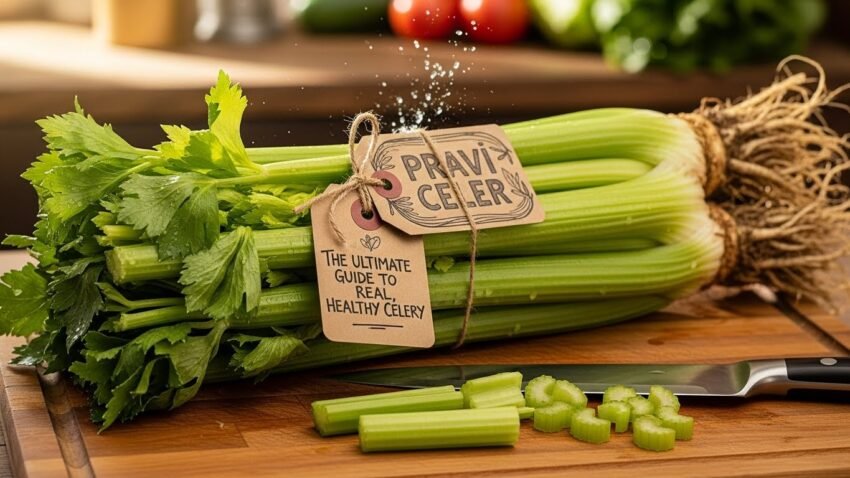
Celery might seem like a simple vegetable, but there’s more to it than you may think. When people talk about pravi celer, they’re referring to the real, fresh, and flavorful type of celery that’s packed with health benefits. In many places, especially in the Balkans, “pravi” means real or authentic. So, pravi celer isn’t just any celery—it’s the good kind. It’s the kind you want on your plate, in your soup, or blended into your juice. This guide is all about what makes pravi celer so special, how to use it, why it’s good for you, and how to grow or choose the best one. Whether you’re a veggie lover, a health food fan, or just curious, you’re in the right place. Let’s explore the crisp, green world of pravi celer and how this simple plant can do big things for your plate and your health.
What Does Pravi Celer Mean?
The term pravi celer means “real celery” or “true celery.” It refers to fresh, natural celery that hasn’t been genetically modified, highly processed, or sprayed with harmful chemicals. It’s the celery your grandma used in homemade meals, the crunchy celery from your neighbor’s garden, or the one sold fresh at a farmer’s market. Pravi celer is what we should aim to eat—it’s rich in vitamins, packed with fiber, and grown the right way. This kind of celery has a strong, earthy smell, crisp texture, and great flavor. You can tell pravi celer apart just by looking at its bright green color and feeling its firm stalks. If your celery bends or feels soft, it’s probably not pravi celer. Choosing real, fresh celery gives your meals better taste and your body better nutrition.
Health Benefits of Pravi Celer
There’s a reason many people call pravi celer a superfood. It’s low in calories but high in key nutrients. It contains fiber, which helps with digestion, and is full of vitamins like A, C, and K. These help keep your eyes, skin, and bones healthy. Pravi celer is also high in antioxidants, which protect your cells from damage. It can help lower high blood pressure, reduce inflammation, and support heart health. The natural water content in celery is great for staying hydrated. It also has compounds that support kidney health and help reduce bloating. If you’re trying to lose weight, pravi celer is a smart snack. It’s crunchy, filling, and adds taste without adding too many calories. One cup of raw pravi celer has just around 16 calories—but it packs a lot of health punch.
How to Recognize Quality Pravi Celer
Want to find the best pravi celer in the store or market? Start by looking at color and texture. The leaves should be dark green and not wilted. Stalks should be firm and make a crisp noise when snapped. If they bend without breaking or feel soft, they’re likely old. Smell is also important. Pravi celer has a fresh, slightly peppery scent. If the smell is too strong or sour, that means the stalks are starting to rot. Check the root base, too—it should be clean, not brown or slimy. Buy organic if possible, or grab from your local farmer’s market. The less distance your celery has traveled, the fresher it is. Once home, store it in the fridge, wrapped in a damp paper towel and sealed in a container or bag. This keeps pravi celer fresh and crispy for a week or more.
How to Use Pravi Celer in Cooking
Pravi celer is super versatile. You can use it in soups, salads, juices, dips, or just eat it raw. In soups and stews, it adds flavor and aroma. Paired with onions and carrots, it makes a base called mirepoix—used in many European dishes. In Balkan kitchens, pravi celer is used in traditional recipes like corba (soup), sarma, or pot meals. It’s also great in simple tuna or egg salad—chopped small for a nice crunch. Raw pravi celer sticks are perfect for dipping into hummus, peanut butter, or yogurt-based dressings. For a detox drink, try blending celery into a green juice with apple, lemon, and ginger. You can even use celery leaves to add flavor to broths and sauces. The entire plant is edible, and each part has a role to play in your kitchen.
Juicing with Pravi Celer for Health
One popular trend is drinking celery juice. When you use pravi celer for juicing, you’re getting the best results because fresh vegetables have the highest nutrient levels. Celery juice is said to help with digestion, boost energy, and clear up skin. It’s especially famous in natural health circles for supporting the liver and lowering toxins. To make the best juice, wash your celery well, trim the ends, and either blend or run it through a juicer. You can drink it alone or mix it with cucumber, parsley, or mint for better taste. Drink it on an empty stomach in the morning for full benefits. Start with a small glass and see how your body reacts. Pravi celer juice is strong and can be cleansing, so it’s best to introduce it slowly. Always choose celery with no added preservatives or coatings for juicing to keep it natural.
Growing Your Own Pravi Celer at Home
If you want to know where your food comes from, growing your own pravi celer is a great choice. Celery loves cool weather and plenty of water. You can start it from seed indoors and transplant it outside once the weather is right. It needs rich soil and a spot that gets some sun but not all day. Celery is a slow grower, so be patient! It can take 3–4 months to be ready for harvest. Water it often to keep the soil moist—dry conditions make celery tough. You can also regrow celery from the bottom root base of a store-bought stalk. Just place it in a small water dish near sunlight and watch it sprout new roots and leaves in a few days! Gardening your own pravi celer not only gives you the freshest greens but also helps you eat healthier and feel proud of what you’ve grown.
Celery Root vs. Leaf Celery vs. Stalk Celery
It’s easy to get confused by the different kinds of celery in markets. Let’s break it down. Pravi celer usually refers to the common green stalk celery you find in stores, used in salads and soups. But there’s also celery root (also known as celeriac), which grows a big round root in the ground. It has a mild celery flavor and is tasty in purees or roasted. Then there’s leaf celery, which has thin stalks and is grown more for its fragrant leaves. This kind is popular in Asian and Mediterranean cooking. All three types are healthy and part of the celery family. Each serves its own purpose. Stalk celery (pravi celer) is best for raw snacks and crunchy meals. Celery root works great in vegetable dishes, and leaf celery enhances flavor without adding extra bulk. Knowing the differences helps you cook smarter and taste more variety.
Cultural History of Pravi Celer
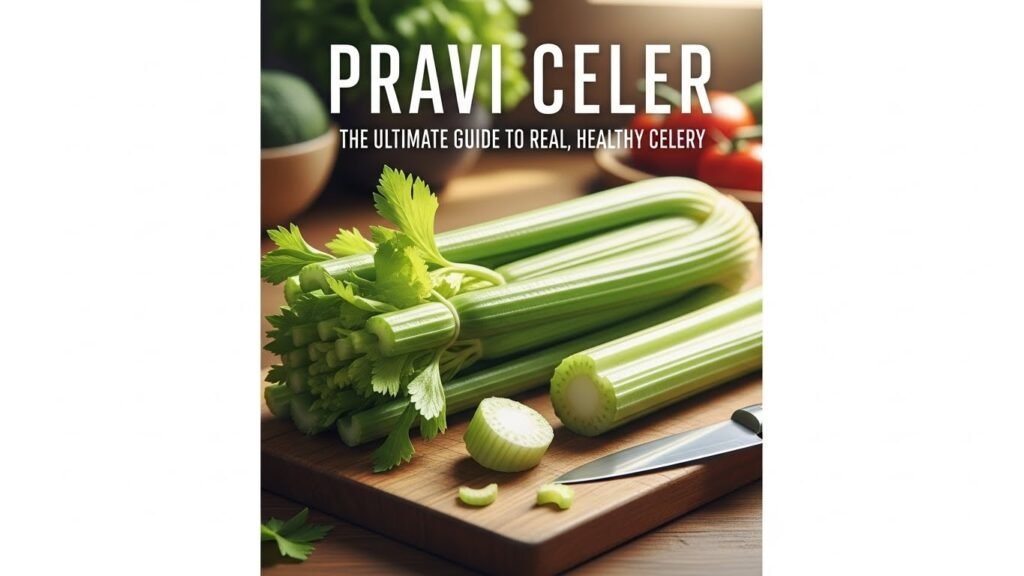
Celery has been used since ancient times. Greeks and Romans used it for cooking and medicine. In fact, celery leaves were even woven into crowns to honor winners of sports events. During the Middle Ages, celery became more common in Europe, especially in Italy and France. From there, it made its way into Balkan cuisine—where pravi celer took a special place. Balkan families have long used celery to flavor traditional stews, broths, and sarma. It’s often grown in backyard gardens and passed through generations as a “must-have” kitchen ingredient. The belief that pravi celer brings strength and helps during illness is still alive today. In many local kitchens, no soup starts without a few chopped celery stalks in the pot. This rich history makes each bite of celery part of a much bigger story—and it’s one worth telling and continuing.
Common Myths About Pravi Celer and the Truth
There are many ideas about celery that are partly true or just plain myths. One common myth is that celery has “negative calories,” meaning you burn more eating it than it gives you. While pravi celer is very low in calories, no food has true negative calories. Another myth is that celery juice cures all health issues. It may help your body, but it’s not magic. Celery shouldn’t replace medicine or a balanced diet. Some people also think celery is only for dieting—but in truth, it’s a powerful everyday vegetable that supports health, flavor, and balance. Some people avoid celery leaves, thinking they’re bitter—but celery leaves are great for garnishing and making flavorful broth. As with most foods, the real secret to celery is using it wisely—as part of a healthy, diverse meal plan.
Storing and Keeping Pravi Celer Fresh
Once you get your pravi celer home, keeping it fresh is the next step. The best way is to store it in the fridge. Don’t just leave it in the grocery bag—wrap it in a slightly damp paper towel and put it inside a plastic or reusable bag. This keeps the moisture in and prevents it from drying out or going soft. You can also store celery sticks in a container with cold water to keep them super crisp. Change the water every few days. If you chop celery ahead of time, keep it in a sealed container and use it within five days. You can also freeze celery for soups and stews. Just chop it, freeze it on a tray, and transfer it to a bag once solid. While frozen celery won’t stay crunchy, it still gives great flavor during cooking.
FAQs
1. What is pravi celer?
Pravi celer means “real celery,” often referring to fresh, natural, and unprocessed celery with high quality and flavor.
2. Is pravi celer the same as regular celery?
Yes, but it focuses on celery grown naturally, ideally organic or from a trusted source without heavy chemicals.
3. Can I eat celery leaves?
Yes! Celery leaves are full of flavor and great in soups, broths, or used as a garnish.
4. Is celery safe for kids?
Yes, celery is a safe and healthy snack for children when cut into small, chewable pieces.
5. Can I use pravi celer in juice?
Absolutely! It’s one of the best vegetables for fresh juice thanks to its refreshing taste and health perks.
6. How do I grow pravi celer at home?
Start with seeds or rooted stalks, keep the soil moist, and give them a mix of sun and shade. Patience is key!
Conclusion
Now that you know all about pravi celer, it’s time to give it a more important place in your meals. Whether you’re buying it fresh, drinking it in juice, or growing it in your garden, celery is truly one of the simplest and most powerful foods you can enjoy. It’s affordable, easy to prepare, and full of flavor and nutrition. From soup to salad, snack to smoothie, pravi celer can do it all. Plus, when you choose high-quality, real celery, you’re helping your body stay strong and your food taste better. So next time you’re shopping or cooking, remember to go for the good stuff. Choose pravi celer—and give your meals a fresh, healthy boost every time.